


Driveway Cleaning Services: A Complete Guide

Table of Contents
What Professional Driveway Cleaning Services Actually Do
Why Removing Moss and Algae from Driveways Matters
Understanding the Cost of Driveway Cleaning in Scotland
The Process: How Professional Driveway Cleaning Works
Pre-cleaning assessment and surface preparation
Pressure washing and specialist treatments
Re-sanding and final finishing touches
Driveway Sealing Benefits and Long-Term Protection
Common Mistakes to Avoid When Cleaning Your Driveway
Why Professional Service Beats DIY Pressure Washing
Frequently Asked Questions
Last Updated: August 28, 2026
What Professional Driveway Cleaning Services Actually Do
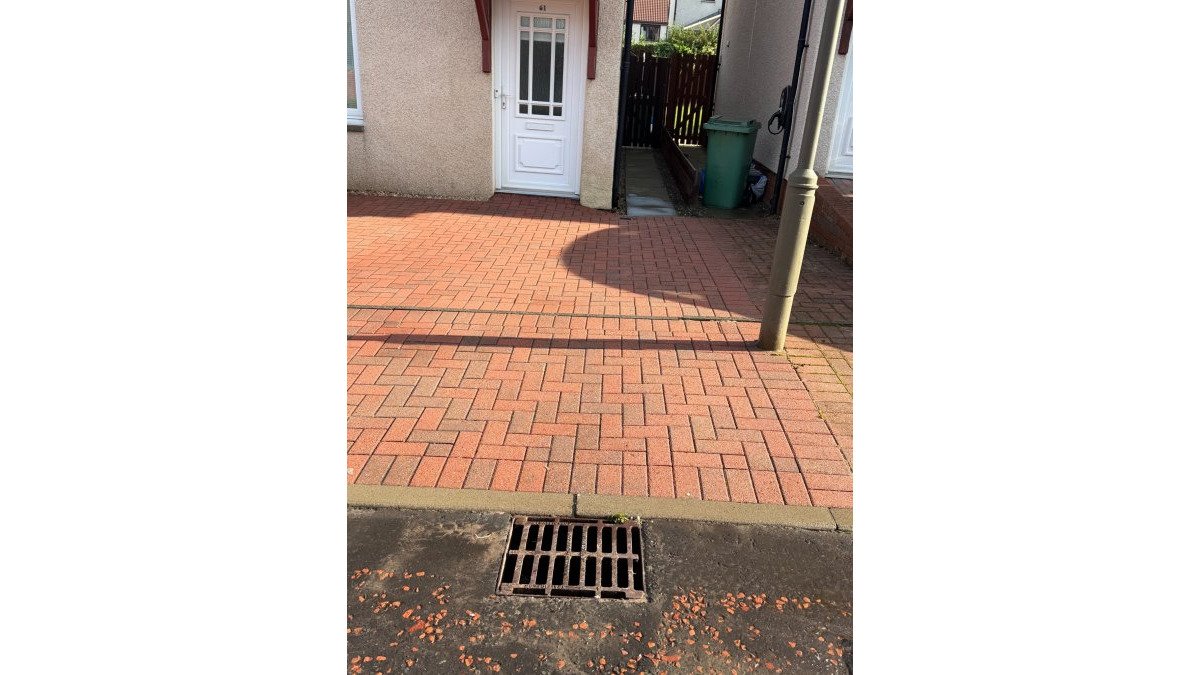
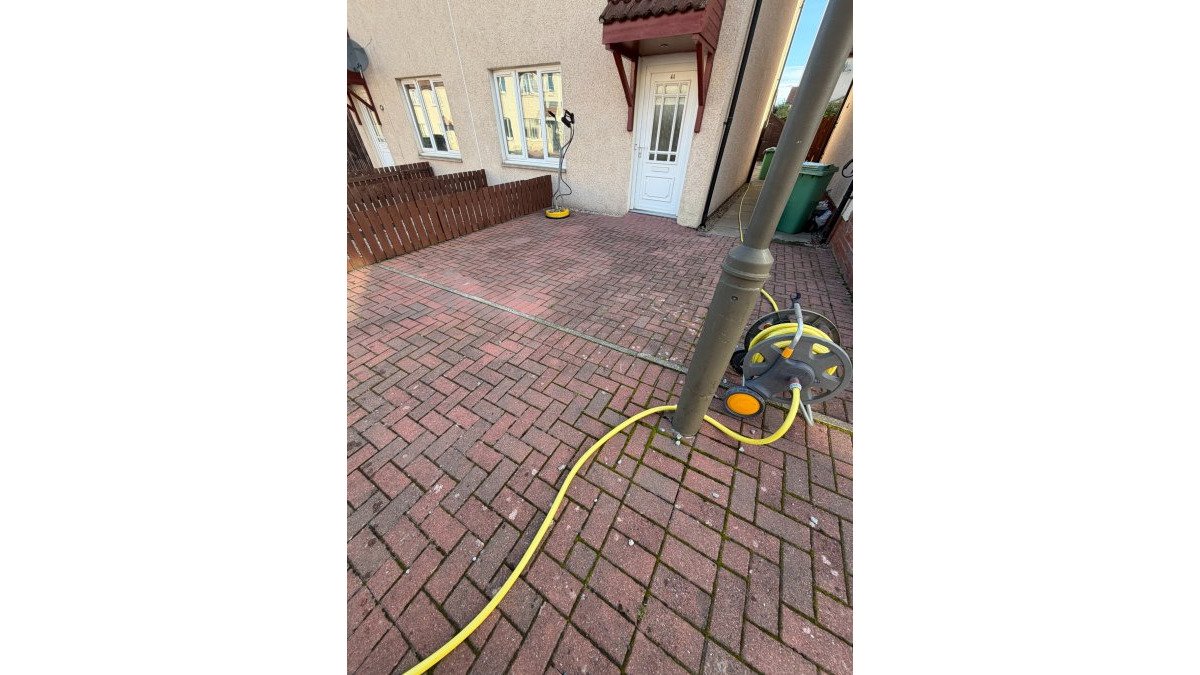
Professional driveway cleaning services go far beyond a quick spray with a garden hose. When you hire a company like Drive Revive Haddington, you're getting access to commercial-grade equipment, specialist treatments, and techniques designed to restore driveways to near-new condition without damaging the surface underneath.
The core work involves high-pressure washing to remove dirt, grime, algae, and moss. But the real difference between professionals and DIY attempts comes down to control. A professional operator understands the exact pressure needed for different surfaces, block paving requires a gentler touch than concrete, and flagstones need different treatment again. Push too hard, and you'll blast out the jointing sand between blocks. Too soft, and stubborn lichen won't budge.
Most professional services include pre-treatment chemicals tailored to what's actually growing on your driveway. Moss and algae need different approaches. Some surfaces benefit from softwash treatments that kill organic growth without the aggressive force of a jet wash. After the cleaning phase, many professionals offer re-sanding with kiln-dried sand to stabilise the joints and prevent future weed ingress. Some add biocide treatments that slow regrowth for months afterward.
Drive Revive Haddington's approach includes full pressure cleaning to remove weeds, algae, moss, dirt, and grime, with softwash treatments available. The team also offers re-sanding with kiln-dried sand to prevent block movement and biocide treatments to inhibit organic growth. This layered approach, cleaning, treating, stabilising, protecting, is what separates a professional job from a one-off wash that looks good for a few weeks.

Why Removing Moss and Algae from Driveways Matters
This isn't just about appearance, though that matters. Moss and algae create a genuine safety hazard. When wet, they make surfaces slippery, particularly dangerous on driveways where you're walking from the house to the car, or where visitors and delivery drivers might step (the CDC). A slip on your own property can lead to injury claims, and it's simply not worth the risk.
Beyond safety, moss and algae indicate moisture retention in your driveway. They thrive in damp conditions, which means your surface is holding water rather than shedding it. That moisture penetrates into the joints between blocks and into the substrate beneath. Over time, it weakens the foundation, causes frost damage in winter, and accelerates deterioration (peer-reviewed research). A driveway that's actively colonised by moss is a driveway that's degrading faster than one that's kept clean.

The aesthetic issue is real too. Your driveway is one of the first things people see when they approach your home. A moss-covered drive signals neglect, even if the rest of your property is immaculate. If you're selling your house, this matters. Buyers form impressions quickly, and a dingy, slippery-looking driveway creates doubt before they even step inside. Professional cleaning removes that objection entirely.
Understanding the Cost of Driveway Cleaning in Scotland
Cost varies significantly based on driveway size, surface type, and how heavily soiled the surface is. A small single-car driveway in reasonable condition costs less than a large double drive covered in years of accumulated lichen. The type of surface matters too, block paving requires more care than concrete, and that care takes time.
Most professional services in the area quote on a per-job basis rather than a fixed hourly rate. This makes sense because the variables are too large. A straightforward concrete drive with surface dirt takes half the time of a block paved drive with deep-rooted moss and algae. Pricing for larger areas requires a custom quote based on the specific job.
When evaluating quotes, don't pick purely on price. A quote significantly lower than others might indicate the company is cutting corners, using lower pressure to speed up the job, skipping pre-treatment, or not including re-sanding and protection. A quote significantly higher might include additional services you don't need. What matters is whether the quote includes the treatments your driveway actually needs.
Ask what's included in the price. Does it cover pre-treatment? Re-sanding? Biocide application? How long will the protection last? Some companies offer a guarantee that moss won't return within a certain period, that's worth paying for because it means they're confident in their work. Others offer a free touch-up if growth returns within 30 days. These differences affect true value.
The Process: How Professional Driveway Cleaning Works
Understanding what happens during a professional driveway clean helps you know what to expect and why the process takes the time it does.
Pre-cleaning assessment and surface preparation
Before any water touches your drive, a professional assesses the surface. What type of driveway is it? How heavily soiled? Are there particular problem areas, stubborn lichen, oil stains, weed growth in the joints? This assessment determines the approach. A lightly soiled concrete drive gets a different treatment than block paving covered in years of algae.
The preparation phase includes clearing loose debris, identifying any damage to the surface that might worsen under pressure, and protecting adjacent areas. If you have plants or soft furnishings near the driveway, these get moved or covered. The technician checks for cracks or loose blocks that could be damaged by high pressure. Some surfaces need pre-treatment chemicals applied and left to work for a period before the pressure wash begins.
Pressure washing and specialist treatments
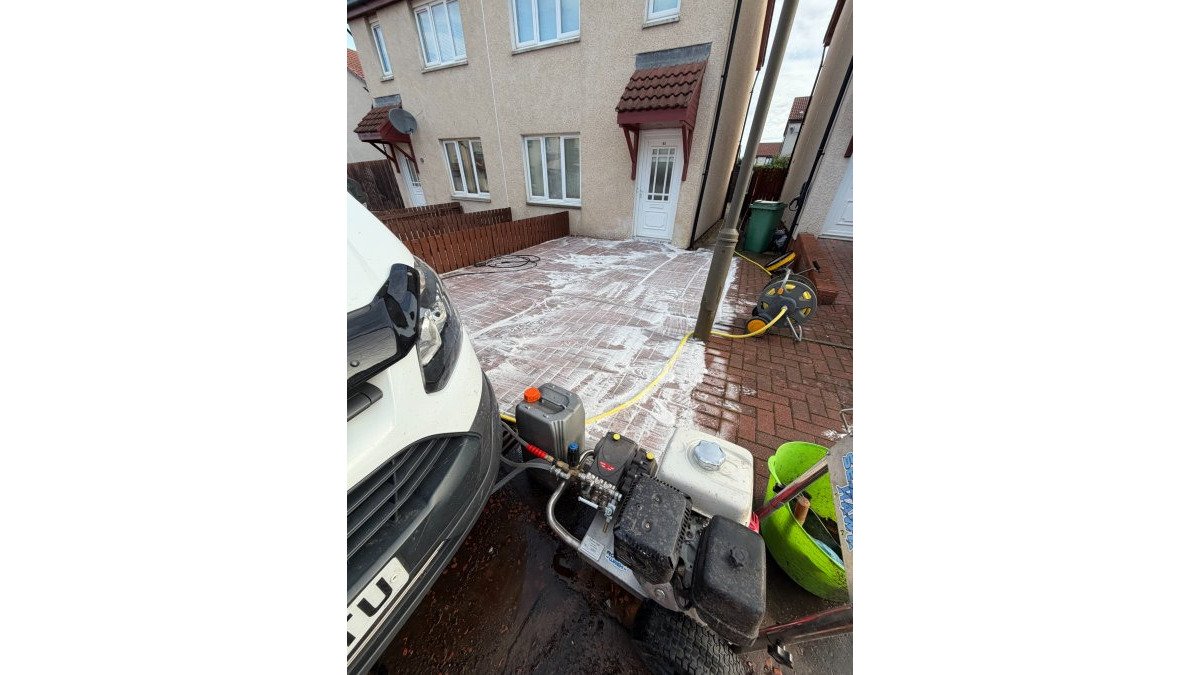
This is the visible part of the job. The technician applies water at high pressure to break down and flush away dirt, algae, moss, and grime. But pressure alone isn't the full story. The angle of the spray, the distance from the surface, and the movement pattern all affect results. Too aggressive, and you damage the surface. Too cautious, and stubborn growth remains.
Many professionals use softwash treatments for organic growth like moss and algae. Softwash applies a biocide that kills the organism at the root, then a lower-pressure rinse removes it (the EPA). This is gentler on the surface and more effective long-term because it addresses the biological problem rather than just blasting away the visible growth. Drive Revive Haddington includes softwash treatments, which is significant because this step prevents rapid regrowth.
Re-sanding and final finishing touches
After the driveway is clean and dry, the joints between blocks need attention. Pressure washing displaces the sand that holds blocks in place and prevents weeds from growing up through the gaps. Professional services apply kiln-dried sand to refill these joints. This stabilises the blocks, prevents movement, and creates a barrier against weed seeds.
Some services finish with a biocide treatment applied to the entire surface. This inhibits the growth of moss, algae, and weeds for months. It's not a permanent solution, nothing is, but it extends the period before growth returns from weeks to many months. The final step is often a protective sealer applied to the surface, particularly for block paving, which locks in the clean appearance and provides additional protection against staining.
Driveway Sealing Benefits and Long-Term Protection
A sealed driveway looks better and lasts longer. Sealing creates a protective layer on the surface that resists water penetration, oil stains, and UV damage. For block paving, a quality sealer also stabilises the jointing sand and inhibits weed growth.
The benefits are practical. Sealed driveways shed water rather than absorbing it, which means less frost damage in winter and slower deterioration overall. Oil stains don't penetrate as deeply, making them easier to clean when they do occur. The surface resists algae and moss growth more effectively because the sealer creates a less hospitable environment for organic growth. Aesthetically, a sealer enhances colour and gives block paving a finished appearance that lasts.
Pro Tip Sealing works best on a freshly cleaned driveway. If you seal over dirt and algae, you're just trapping the problem underneath. Always clean first, then seal.
The trade-off is that sealing requires reapplication every few years. The exact interval depends on traffic, weather, and the quality of the sealer used. A premium sealer lasts longer than a budget option. In Scotland's climate, with frequent rain and temperature fluctuations, resealing every 2-3 years is typical. This isn't a major cost, but it's worth factoring into your maintenance budget.
Common Mistakes to Avoid When Cleaning Your Driveway
Many homeowners attempt DIY driveway cleaning and end up with problems that professional services have to fix. Understanding these mistakes helps you either avoid them or know what to look for in a professional.
The most common error is using a consumer-grade pressure washer at full power on block paving. These machines are powerful enough to blast out the jointing sand between blocks, leaving white streaks and gaps. Once that sand is gone, blocks shift, weeds grow up through the gaps, and you've created a bigger problem than the original algae. Professional equipment allows precise pressure control. A professional knows exactly how much force block paving can handle.
Another frequent mistake is skipping pre-treatment. If you just blast away moss and algae with pressure alone, you're removing the visible growth but not killing the root system. Within weeks, it returns because the conditions that allowed it to thrive haven't changed. Pre-treatment with a biocide kills the organism, preventing rapid regrowth. It takes longer than a quick jet wash, but the results last months rather than weeks.
Watch Out [Pressure washing](/pressure-washing-haddington) without re-sanding leaves your block paving vulnerable. Displaced sand means loose blocks and gaps for weeds. Always include re-sanding as part of the job.
Using the wrong cleaning chemicals is another pitfall. Some DIY cleaners contain bleach, which can damage certain surfaces and kill nearby plants. Others are too weak to be effective. Professional services use chemicals specifically formulated for the surface type and the problem being addressed. A moss killer is different from an algae treatment, and both are different from a general-purpose cleaner.
Neglecting to protect adjacent areas causes damage. Pressure washing runoff can stain walls, damage render, kill plants, and splash into windows. A professional sets up barriers and directs runoff appropriately. DIY attempts often damage more than they clean.
Why Professional Service Beats DIY Pressure Washing
Renting a pressure washer and doing it yourself seems cheaper upfront. The rental cost is perhaps £30-50 for a day. But this calculation misses several realities.
First, you're unlikely to achieve the same results. Professional equipment is more powerful, more controllable, and used by someone with experience. You'll spend hours on a job a professional completes in 2-3 hours. The finish will be less consistent. Stubborn growth will remain. You'll probably cause some damage, either to the driveway itself or to something adjacent.
Second, you're taking on liability. If you damage your driveway, that's your cost to repair. If you damage a neighbour's property or injure yourself, that's a problem. Professionals carry insurance. If something goes wrong, it's their responsibility.
Third, you're missing the treatments that make results last. Re-sanding, biocide application, and sealing are time-consuming. Most DIY cleaners skip these steps because they're laborious. But these steps are what prevent rapid regrowth and protect your investment. A professional service includes them because they're essential.
Key Takeaway A professional driveway clean costs more than a rental pressure washer, but delivers better results, lasts longer, includes protection, and eliminates your liability. For most homeowners, it's worth the investment.
Fourth, your time has value. A full day spent on driveway cleaning is a day you're not doing something else. If you value your time at anything reasonable, professional service becomes cost-competitive with DIY.
The real advantage of professional service is expertise. A professional diagnoses what's actually growing on your driveway, applies the right treatment, uses appropriate pressure for your surface type, and finishes with protection. They know which surfaces can handle high pressure and which need a gentler approach. They understand how Scottish weather affects driveways and what treatments work best in this climate. That expertise is what you're paying for, and it's why the results are better.
A clean driveway transforms your home's appearance and protects your investment. Whether you choose to tackle it yourself or hire a professional, the key is addressing moss and algae promptly and including proper protection afterward. For most homeowners in Haddington and across East Lothian, professional driveway cleaning services offer the best combination of results, durability, and peace of mind. Drive Revive Haddington specialises in exactly this work, transforming driveways through deep cleaning, re-sanding with kiln-dried sand, and biocide treatments that inhibit regrowth. The team understands the specific challenges of East Lothian's climate and delivers results that last. Request a free estimate and see what professional driveway cleaning can do for your home.
Frequently Asked Questions
Q: How often should I have my driveway professionally cleaned?
A: Most homeowners benefit from professional driveway cleaning services every 12 to 18 months, depending on local weather and tree coverage. In Scotland's damp climate, moss and algae can return faster, so some properties need cleaning annually. After professional cleaning, applying a biocide treatment slows regrowth significantly, extending the time between services.
Q: Does professional driveway cleaning remove stubborn moss and algae?
A: Yes. Professional driveway cleaning services use high-pressure equipment combined with specialist treatments specifically designed to remove moss and algae from driveways. Softwash treatments and biocide applications prevent these organisms from returning quickly. DIY pressure washers often fail on stubborn lichen because they lack the right pressure control and chemical treatments needed for deep removal.
Q: What are the main driveway sealing benefits after cleaning?
A: Sealing your driveway after professional cleaning protects the surface from oil stains, prevents weed ingress between block paving joints, and inhibits moss and algae regrowth. A quality sealer stabilises the jointing sand, reducing movement and extending the life of your driveway by years. It also enhances the appearance with a subtle sheen finish.
Q: Is the cost of driveway cleaning in Scotland worth the investment?
A: Professional driveway cleaning improves curb appeal significantly, which matters if you're selling your property. It also extends your driveway's lifespan by removing damaging organic growth and preventing water ingress. When combined with sealing, the cost is offset by avoiding premature resurfacing or replacement, making it a sound long-term investment.
Request a Free Estimate
This article was written using GrandRanker
Comments