


How Do You Hide Bins Before Selling a House?

Last Updated: November 19, 2026
Quick Summary
To hide bins before selling a house, use a slatted screen, timber bin store, hedge or storage bench to block the view from the street. Always leave a hand's width of clearance so bins wheel out easily and lids open fully on collection day.
Slatted fencing is the most popular bin screen because gaps let air through and stop smells.
A DIY triple-bin store measures roughly 1.8 m wide by 0.8 m deep by 1.2 m high.
Add at least 100 mm clearance on all sides plus 150 mm at the front for lids.
Move bins to the back garden or a neighbour's before the estate agent photographer arrives.
Check current collection arrangements on East Lothian Council's website rather than relying on a neighbour.
Selling soon? Sort the frontage first
We clean driveways, patios and block paving across Haddington and East Lothian.
Table of Contents
Why Hiding Bins Lifts Kerb Appeal Before Selling a House
Buyers decide how they feel about a house in seconds, and the first thing they see is the frontage.
The same house can look completely different once the bins are out of sight and the hard surfaces are clean.
Kerb appeal is the impression your property makes from the street.
Bins are bulky and brightly coloured, so the eye goes straight to them
They suggest clutter, even when the house is spotless inside
They sit in the same view as your driveway and path, which are your biggest visual assets
A tidy frontage makes buyers expect a well-kept interior
If you want a wider set of ideas, our guide to improving curb appeal before selling covers the rest of the frontage. For a step-by-step plan, work through this house exterior sale checklist.
The good news: you do not need to spend much. Most bin-hiding options cost little and take an afternoon.
Wheelie Bin Storage Ideas for Every Front Garden
The right storage idea depends on how much space you have and how much you want to spend. Here are the main options, from quick fixes to permanent builds.
A slatted screen in front of the bins: cheap, fast, and easy to move
A bin store or enclosure: a timber unit that hides the bins completely
A hedge or natural barrier: softens the frontage and hides the bins year-round
A wheelie-bin hideaway down the side of the house: uses dead space
A simple garden storage bench with a lift-up lid for smaller bins
For a small front garden, a slim bin screen is usually the best answer. It takes up little room and still blocks the view from the street.
Slatted Screens and Fencing
Slatted fencing is the most popular way to hide bins, and for good reason. The gaps let air through, so bins do not sit in a damp, smelly box.
You can buy ready-made panels or build one from timber battens.
A few things to get right:
Leave a gap between the screen and the bins so you can wheel them out
Use treated timber so it lasts through wet winters
Keep the top of the screen below eye level at the door so the frontage stays open
Match the style to your existing fence panels for a tidy look
If your current fence is looking tired, it is worth restoring it before you list. Our guide to restoring weathered garden fences shows how.
Hedges and Natural Barriers
A hedge enclosure hides bins and adds greenery at the same time. It is the softest option and the one buyers tend to like most.
Evergreen shrubs work best because they keep their leaves all year.
Plant in autumn or spring so roots settle before viewings
Choose evergreens so the screen works in winter
Keep the hedge trimmed so it looks maintained, not wild
Leave space behind the hedge to wheel bins in and out
A hedge takes time to fill out. If you are selling soon, buy mature plants or combine a hedge with a low slatted screen.
Choosing the Right Wheelie Bin Screens for Your Frontage
Start with the practical question: how much space do you actually have? Measure the width and depth of your bin area before you buy anything.
Then match the screen to your frontage:
Option | Best for | Effort | Upkeep |
Slatted screen | Small front gardens | Low | Re-treat timber yearly |
Timber bin store | Hiding bins fully | Medium | Check hinges and roof |
Hedge enclosure | Soft, natural look | Medium | Trim twice a year |
Trellis with climbers | Narrow gaps | Low | Tie in growth |
Storage bench | One small bin | Low | Wipe down |
A few buying tips:
Check the height covers the bins when the lids are shut
Pick a colour that blends with your house wall or fence
Make sure the screen does not block your path or the door
Check you can still open bin lids fully for collection day
Watch out: a screen fixed tight against the bins traps smells and makes them hard to wheel out. Always leave a hand's width of clearance.
Building a DIY Wheelie Bin Store
A DIY wheelie bin store is a weekend job for most people with basic tools, and it is the cheapest way to hide bins permanently if you are comfortable with a saw and drill.

Tools and Materials You'll Need
Gather everything before you start so you are not stopping halfway through. A basic build needs:
Tools:
Cordless drill with driver bits and a 6 mm wood bit for pilot holes
Tape measure, pencil and a try square
Saw, or ask the timber merchant to cut to size (many will do this free or for a small charge)
Spirit level (a 600 mm level is enough)
Hammer and a staple gun for membrane
Materials (for a triple-bin store roughly 1.8 m wide × 0.8 m deep × 1.2 m high):
Treated timber battens, 47 mm × 50 mm, for the frame, about 18 m total
Slatted timber panels or treated fence boards for the cladding, about 6 m²
Wood screws: 80 mm galvanised for the frame, 40 mm for panels
Galvanised brackets and corner braces
Two or three hinges for the lid, plus a hasp and staple if you want to lock it
Steps:
Measure your bins and add at least 100 mm clearance on all sides, plus 150 mm at the front so the lids open fully.
Mark out the footprint on the ground and check it is level. If the ground slopes, set the frame on gravel or adjustable post supports rather than packing it with offcuts.
Build the back and side frames first, then fix them together with galvanised brackets. Check square by measuring diagonals.
Attach the slatted panels, leaving 10-15 mm gaps between boards for airflow.
Fit a hinged lid so you can open the bins without moving the store. A lid that lifts from the front is easier on collection day than one that hinges at the back.
Treat the timber with a preserver before the first rain, and re-treat cut ends as you go.
Wheel the bins in and check the lids open fully and the store does not rock.
Expect the build to take most of a day. Treating the timber adds an hour but doubles how long the store lasts.
Watch out: a store built tight against a wall traps damp and makes the back panels rot faster.
If you would rather not build, a flat-pack timber bin store is available from garden centres and online retailers. Check the internal dimensions against your bins before buying, as sizes vary between stores.
Staging Bins and the Frontage for Photos and Viewings
Estate agent photos are where buyers first meet your house, so the frontage needs to look its best on camera.
Before the photographer arrives:
Move bins to the back garden or a neighbour's for the day
Clear the drive and path of leaves, toys, and recycling boxes
Clean the wheelie bins themselves if they stay visible at all
Sweep the path and wipe the front door
Move the car off the drive so the space looks bigger
On viewing day, repeat the same routine. Buyers notice smells and clutter, and a clean, empty bin area reads as a well-run home.
For a fuller plan, see our guide to staging your front garden for house viewings, which covers planting, paths, and presentation in more detail.
Bin Collection Rules and Local Arrangements in Haddington and East Lothian
Collection rules vary by council, and Local councils set their own guidance on bin types, collection days, and where bins can be left out.
A few practical points that apply to most Haddington streets:
Bins usually need to be at the kerbside by a set time on collection day, which the council sets and can change.
Bins should be brought back in promptly after collection. Leaving them on the pavement is a common source of neighbour complaints and looks untidy in photos.
Extra waste and recycling rules differ from street to street, and some properties have shared or communal bin areas rather than individual bins.
Garden waste collection is sometimes a charged, permit-based service, so check whether a permit transfers with the property or needs to be reapplied for.
If you are selling, check the current collection arrangements for your address on East Lothian Council's website rather than relying on a neighbour's memory.
Local arrangements matter because some streets have narrow pavements and shared access.
Watch out: do not build a bin store that blocks pavement access or sits over a shared access route.
Safe Access, Ventilation and Practical Clearance
A bin screen that is hard to use will annoy you and put off buyers. Plan for access before you build.
Leave enough room to wheel each bin out without lifting it
Keep the path to the bins clear of steps and trip hazards
Allow airflow so bins do not sweat and smell
Make sure the lid opens fully under the screen or store roof
Fix the store down so it does not blow over in wind
Ventilation is the part most people skip. Slatted panels and open backs let air move through, which keeps smells down and stops mould on the timber.
Watch out: a bin store built right against the house wall can trap damp against the brickwork.
Book a Frontage Clean Before Your Viewings
Hiding the bins is half the job. The other half is the surface they sit on.
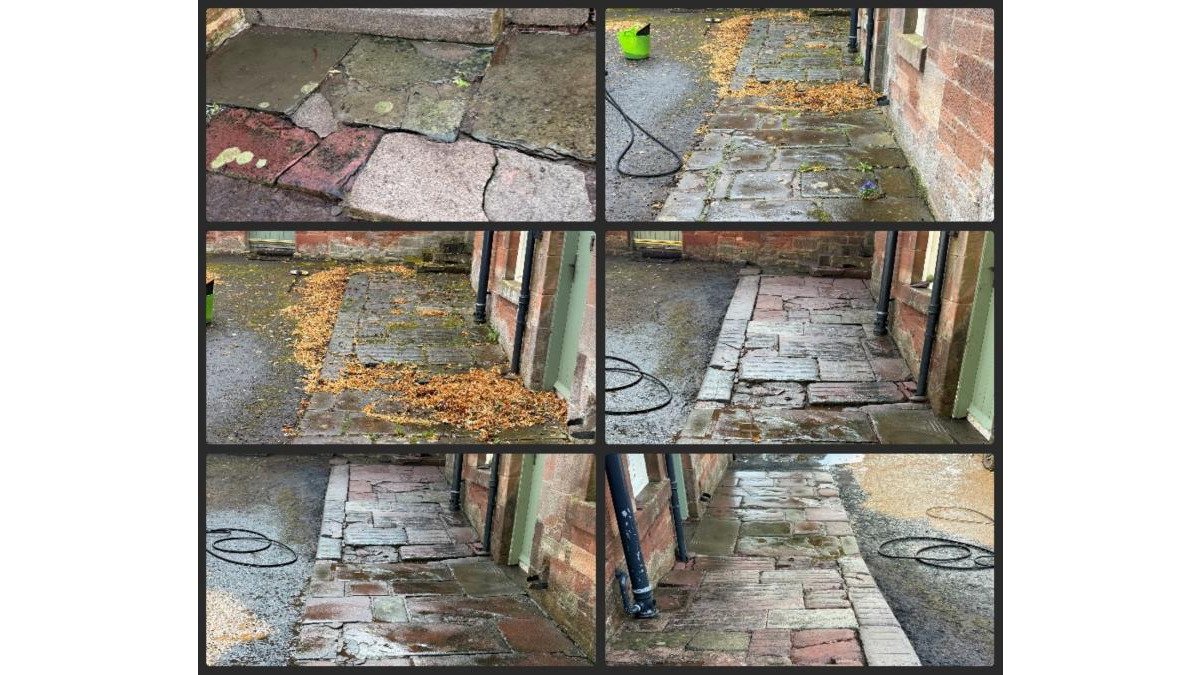
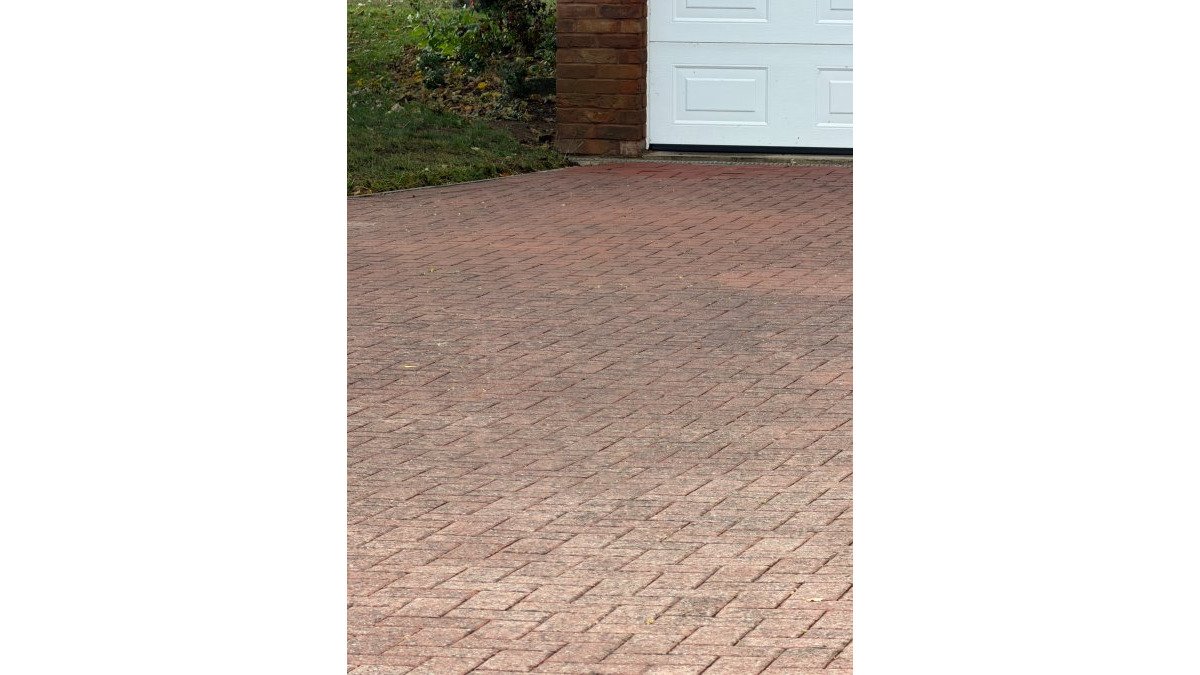
A professional pressure washing service can clean driveways, patios, and block paving to remove algae and dirt.
If you want the frontage sorted before your first viewing, you can book a pressure washing service in Haddington and request a free estimate.
Selling a house is stressful enough without worrying about how the front looks from the street.
Frequently Asked Questions
How can I hide wheelie bins before selling my house?
The quickest options are a slatted screen or a ready-made bin store placed in front of the bins, which you can buy or build in a weekend. If you need something temporary for photos and viewings, move the bins out of sight entirely and wipe them down. For a longer-term fix, a hedge or timber enclosure hides bins year-round. Whatever you choose, keep the bins accessible for collection day and leave a gap between the store and the house wall so air can circulate.
Do I need permission to install a bin store in Scotland?
Rules on planning permission differ for flats, conservation areas and listed buildings, and some front-garden structures need approval. Check with your local council's planning team before you build, especially if you live in a conservation area or a tenement.
Should bins be visible in property listing photos?
No. Move bins out of shot before the photographer arrives, and give the bin area a wash so any lingering marks are gone too. Buyers form an impression in seconds, and a row of bins at the front of the house pulls attention away from the door, the driveway and the garden. If you cannot move them, angle the shot so the bins sit outside the frame rather than cropping awkwardly.
How do I keep a bin area tidy and free from smells?
Rinse the bins after collection day, keep the lids closed, and put a couple of inches of newspaper or a sprinkle of bicarbonate of soda in the bottom to absorb moisture. A slatted or open-sided store lets air move through, which cuts smells far better than a sealed box. Keep the paving underneath clean to avoid residue building up over time.
Comments