


How to Create a Low Maintenance Garden Design

Quick Summary
A low maintenance garden is planned so routine tasks like weeding, pruning and watering take minutes a week instead of hours. Most of that saving is decided at the design stage, by reading the site's aspect, soil and drainage first. Choosing hardy evergreen plants and replacing lawns with gravel, paving or ground cover then keeps upkeep predictable.
Watch where the sun lands for a few days before choosing plants.
Check soil texture by digging a small hole and feeling it.
Fix drainage before laying any hard surface to avoid moss and slippery patches.
Choose a few hardy evergreens repeated through the bed rather than many species.
Space plants by their final spread, not their pot size, to avoid constant thinning.
Table of Contents
Why Low Maintenance Garden Design Starts With the Site
Last Updated: November 20, 2026

Most low maintenance garden design ideas fail before a single plant goes in, because the design ignored the site. Drive Revive Haddington cleans driveways, patios and block paving across East Lothian, and the same problems keep appearing: moss and algae on shaded hard surfaces, water sitting in the wrong corner, and borders that need constant attention because they were planted for the wrong conditions.
A low maintenance garden is a space planned so that routine tasks like weeding, pruning and watering take minutes a week instead of hours. Most of that saving is decided at the design stage, not later.
Reading Your Garden's Aspect, Soil and Drainage
Spend a few days watching where the sun actually lands.
Check the soil by digging a small hole and feeling the texture. Heavy clay holds water and sets hard (Clay soils). Sandy soil drains fast and needs more feeding.
A common mistake is paving over a damp area and then wondering why it stays slippery. Improve the drainage first, or choose a permeable surface.
Sizing the Design to Your Garden
Design for the garden you have, not the one in a magazine. Small gardens need fewer, bigger features. A single well-proportioned bed with evergreen structure looks more deliberate than five small beds with scattered plants.
For larger plots, divide the space into zones: a paved sitting area close to the house, a planted middle section and a lower-maintenance boundary. Each zone should have a clear job, which keeps upkeep predictable.
Choosing Hardy, Evergreen Plants That Suit Scotland
Scottish weather is wet, often windy and rarely hot, so the plants that survive with the least fuss are usually hardy evergreens. Evergreen shrubs give year-round structure, so the garden does not look bare in winter. The practical rule is to choose plants that are fully hardy for East Lothian conditions, check their mature size before planting, and accept that a plant which needs cutting back every spring is not low maintenance, it is deferred maintenance.
A Shortlist Suited to East Lothian
Haddington sits in a relatively sheltered, low-rainfall part of East Lothian, but gardens on the town's edges and towards the coast at Aberlady and North Berwick take more wind and salt spray.
Choisya ternata (Mexican orange blossom): evergreen, glossy leaves, white spring flowers and a second flush in autumn. Happy in sun or light shade. Mature size roughly 2-2.5 m. Prune lightly after flowering if it outgrows its space, once a year at most. Needs shelter from the coldest east wind.
Euonymus fortunei varieties (e.g. 'Emerald Gaiety'): low, dense evergreen for borders and ground cover. Tolerates sun or shade and most soils. Mature size around 60-100 cm. Trim once a year in late spring to keep it tidy.
Viburnum tinus: evergreen with winter flowers and dark foliage. Mature size roughly 2-3 m. Prune after flowering only if needed. Reliable in most East Lothian gardens.
Hebe (shrubby veronica) varieties: compact evergreens that cope with wind and coastal exposure better than most. Mature size typically 60-120 cm depending on variety. Light trim in spring; avoid cutting into old wood.
For ground cover in sun or part shade, Geranium macrorrhizum and Alchemilla mollis knit together quickly and suppress weeds once established, though both die back in winter. For year-round cover, combine them with low evergreens such as Pachysandra terminalis in shade or Cotoneaster dammeri on a sunny bank.
How to Plant for Low Upkeep
A short list of three or four evergreens repeated through the bed, rather than many different species, is a sensible approach for most small Scottish gardens. Repetition looks intentional and is easier to maintain. Space plants according to their final spread, not their pot size, overcrowding is the most common reason borders need constant thinning.
Plant in autumn or early spring when the soil is warm and moist, mulch immediately with a 5-7 cm layer of bark or well-rotted compost, and water through the first summer only.
Watch out: buying plants labelled simply 'evergreen shrub' without checking the hardiness rating or final size is how low-maintenance borders turn into annual pruning jobs, check the label or the RHS plant finder before you commit.
The table below summarises the shortlisted evergreen plants, their mature sizes and the routine pruning each one needs.
Plant | Mature size | Routine pruning |
Choisya ternata | Roughly 2-2.5 m | Light trim after flowering, once a year at most |
Euonymus fortunei 'Emerald Gaiety' | Around 60-100 cm | Trim once a year in late spring |
Viburnum tinus | Roughly 2-3 m | Prune after flowering only if needed |
Hebe varieties | Typically 60-120 cm | Light trim in spring; avoid old wood |
Sarcococca confusa | Around 1-1.5 m | Little pruning beyond removing damaged growth |
Lavandula angustifolia | Around 60-80 cm | Light prune after flowering, not into old wood |
Creating a Low Maintenance Garden Without Grass
Lawns are one of the biggest sources of weekly work (Low Maintenance Gardening Ideas). Mowing, edging, feeding and reseeding add up quickly, most gardeners in East Lothian will recognise the pattern of a weekly cut from April to September, plus edging and occasional weed control. Replacing grass with gravel, paving, ground cover or planted beds removes most of that effort, but only if each surface is built properly.
Garden Fundamentals
Comparing the Grass-Free Options
Gravel: cheapest surface to install and quick to lay, but only low maintenance if it has a proper weed membrane and a fixed edge. Gravel may need topping up over time and occasional weed removal. Best on level or gently sloping ground; it is uncomfortable on steep slopes and difficult to walk on with a wheeled frame.
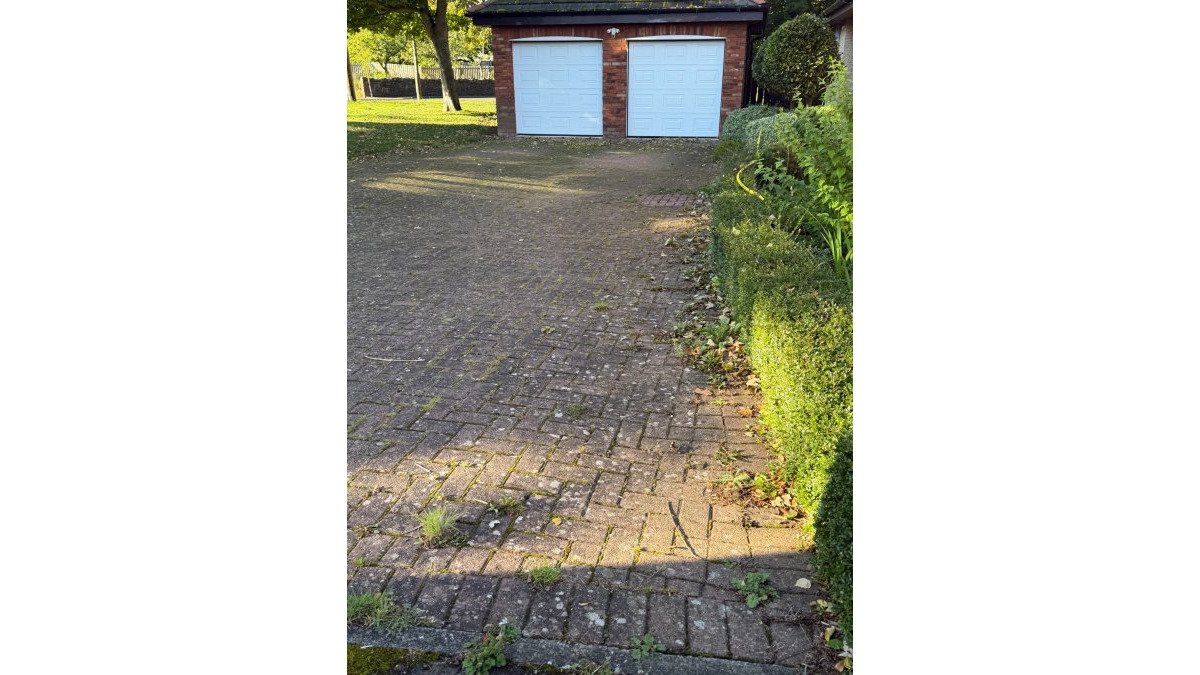
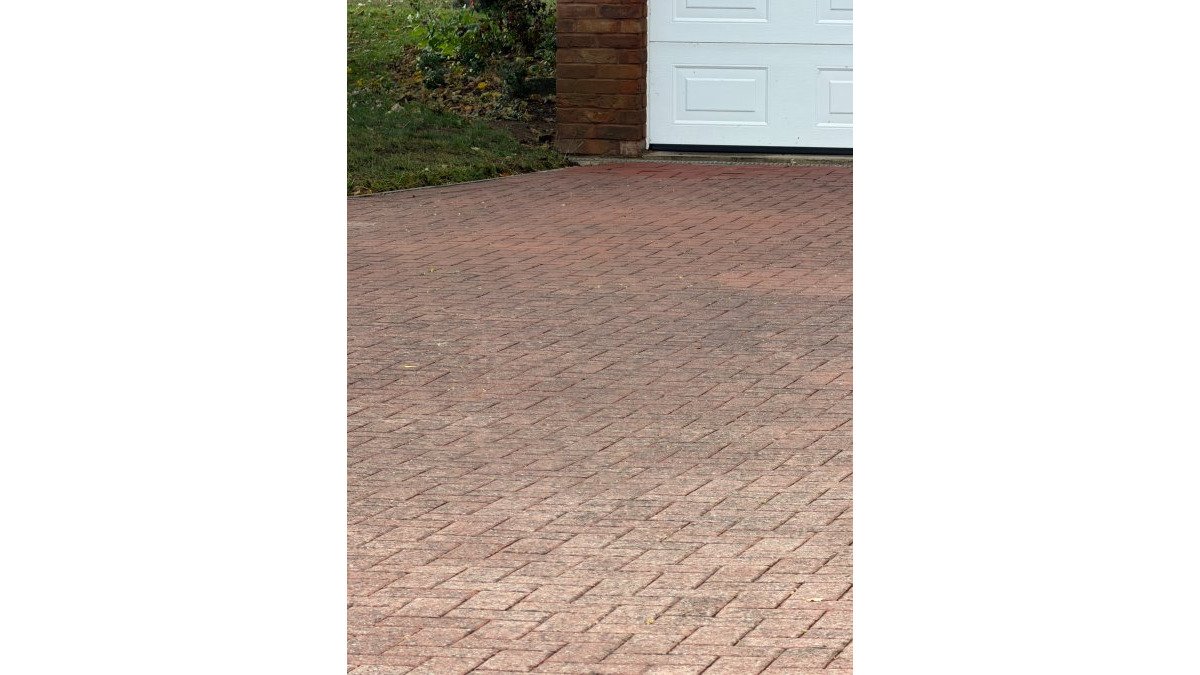
Paving and block paving: the most expensive option upfront but the lowest routine upkeep. Joints need occasional attention, and shaded paving grows algae unless cleaned. Best for patios and main routes.
Ground cover planting: moderate cost, and it improves as it fills in. Ground cover typically takes some months to fill in before it suppresses most weeds. Best on sunny or part-shaded borders.
Raised beds and planters: useful where soil is poor or drainage is bad, and they raise the working height for anyone with mobility needs. They dry out faster than ground beds, so they need more watering in summer unless planted with drought-tolerant species.
Building Gravel So It Stays Low Maintenance
Gravel is popular, but it generally benefits from a proper weed membrane underneath and a border to stop it spreading onto paths. Use a woven geotextile membrane rather than a thin polythene sheet, overlap joints by at least 20 cm, and pin the edges.
A rigid edge, timber, steel or block, keeps gravel out of the lawn and off the paving. On a slope, use a cellular gravel grid to stop the stones migrating downhill.
A Realistic Maintenance Schedule
Low maintenance does not mean no maintenance. A grass-free garden of this kind typically needs:
Weekly in growing season: a few minutes checking for weeds in gravel and joints, and watering new plants in their first summer.
Monthly: a walk-round to pull weeds before they set seed, and a check that gravel edges and membranes are intact.
Seasonally: top up mulch in spring, cut back ground cover that has spread over paths, and clean paving where algae has built up.
Annually: inspect joints and re-sand or re-point where needed, and top up gravel where it has thinned.
The time saving depends on how the surface is built and how much upkeep the chosen plants and finishes need.
A neatly designed back garden with gravel paths, evergreen shrubs and raised planters, bright daylight, no people.
Laying gravel directly onto soil, or using a membrane that tears during installation, can lead to weeding problems, so the membrane is worth installing carefully.
Paths, Paving and Borders That Cut Routine Upkeep
Hard landscaping does much of the work of keeping a garden tidy. Firm, well-laid paths stop mud, and well-edged borders stop grass and weeds creeping into planting beds. Paving that is laid on a stable base with tight joints stays cleaner for longer.
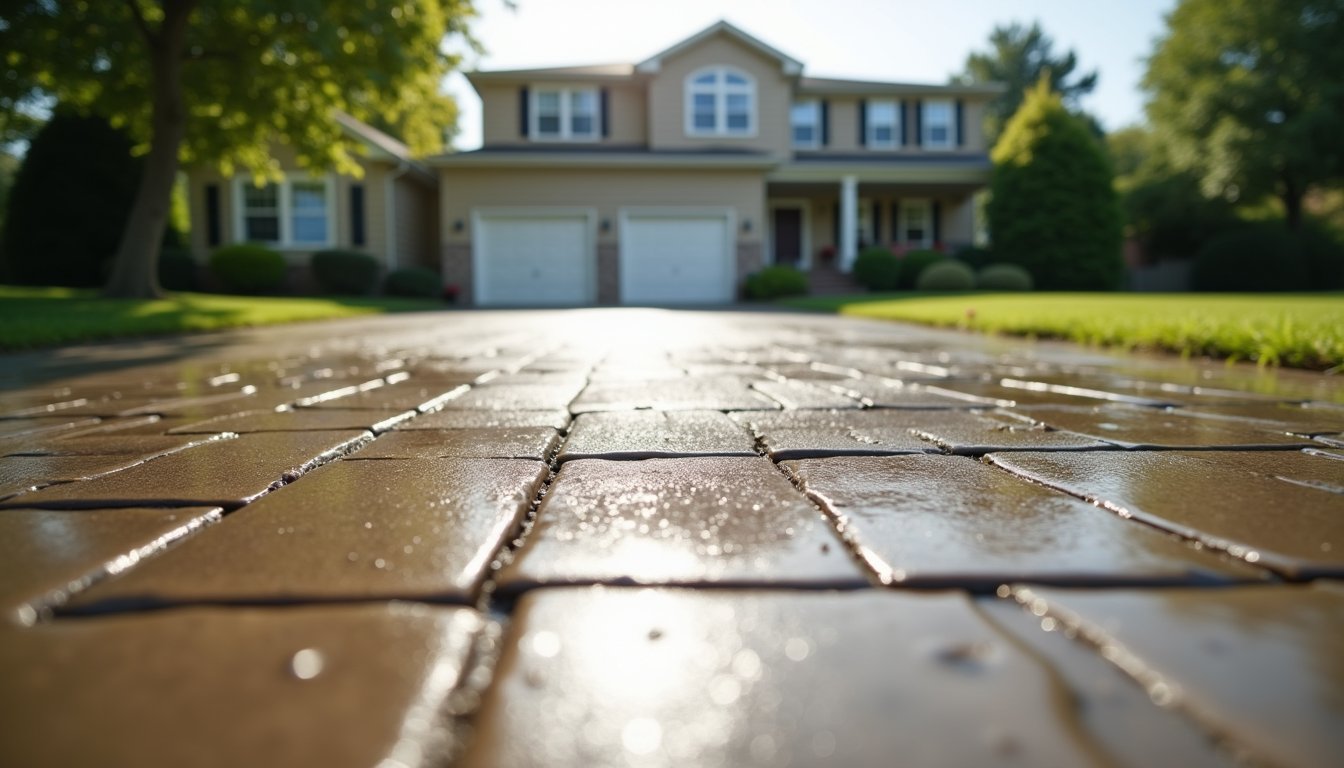
Block paving needs attention because the joints can fill with weeds and sand can wash out. Consider jointing compounds that resist weed growth, and inspect the surface each season.
Low Maintenance Patio Ideas for Everyday Use
A patio should be somewhere you use, not something you spend weekends maintaining. Choose a light-coloured or textured paving that does not show every leaf, and slope the surface slightly away from the house so water drains off.
Keep planting to containers or raised planters near the seating area, so the plants are easy to water and replace. Use a sealed or treated surface if your patio sits in shade, because it resists the algae that make hard surfaces slippery.
Keeping Weeds Down From the Start
Most weed problems are created during construction. Put a membrane under gravel and paths, and lay paving on a compacted base. Fill planting beds with a thick mulch once plants are in, which blocks light and keeps weed seeds from germinating.
Weeds in paving joints are the hardest to deal with. Remove them early, while they are small, and reapply jointing material when it starts to wash out.
If weeds have already taken hold in your paving, pressure washing can clear the surface so you can start again with clean joints. For a full method, read how to remove weeds from block paving for good. RHS guidance on weed control in paving
Planning Your First Low Maintenance Garden Project
Start with one area rather than the whole garden. Choose the spot that gets the most use, such as the patio or the path to the back door, and make that low maintenance first.
Set a realistic maintenance schedule before you buy anything. Write down what needs doing each week, each month and each season. If the list looks too long, simplify the design.
Keeping the finished garden clean is part of the plan. Regular cleaning keeps paving and paths looking fresh.
Frequently Asked Questions
How do I design a low-maintenance garden?
Start by assessing aspect, soil drainage and how much time you have for upkeep. Keep the layout simple, with a few clear zones such as a patio, a path and planted borders. Choose hardy evergreen structure plants so the garden looks settled through the year, and mulch bare soil to limit weeds. Plan for gravel or paving where you would otherwise mow, and group plants with similar watering needs together to make routine care quicker and easier.
Which plants are best for a low maintenance garden in Scotland?
Hardy, evergreen plants usually suit East Lothian conditions best. Options such as hardy shrubs, ground cover and reliable perennials tolerate the cooler, wetter climate and need little pruning. Check the plant label for hardiness and soil preference, and avoid tender species that need winter protection. A local garden centre can confirm which varieties perform well in your part of the county.
What can I use instead of a lawn to reduce garden maintenance?
Gravel, paving, ground cover planting and raised beds all cut down on mowing and edging. Gravel works well over a weed-suppressing membrane, while paving gives a firm, level surface for seating and access. Ground cover plants fill space and suppress weeds once established. Combining two or three of these options usually gives a balanced result without the regular demands of grass.
How often should I clean a patio or driveway?
Most patios and driveways benefit from a clean once or twice a year, though shaded or north-facing areas in East Lothian may collect algae and moss more quickly and need attention sooner. Sweeping debris regularly helps prevent a build-up of dirt. For a deeper clean, professional pressure washing can remove algae and grime from block paving and paths. Contact Drive Revive Haddington via their website for a free estimate tailored to your surfaces.
Comments