


How to Clean Block Paving: A Step-by-Step Guide

Updated: Sep 16
Table of Contents
What You'll Need Before You Start
How to Clean Block Paving with a Pressure Washer
Pressure Washer Settings and Safety
Technique for Even Results
Removing Stubborn Algae and Black Spots
Block Paving Sand Replacement After Cleaning
How to Remove Weeds from Block Paving
Professional Driveway Cleaning Haddington Cost and When to Call In Help
Preventing Future Moss and Weed Growth
Common Mistakes to Avoid When Cleaning Block Paving
Frequently Asked Questions
Last Updated: August 31, 2026
What You'll Need Before You Start
Before you pick up a pressure washer, gather the right tools and materials. The difference between a successful clean and a damaged driveway often comes down to preparation.
You'll need a pressure washer (ideally 100-150 bar for block paving), a stiff-bristled brush for manual scrubbing, safety goggles, and heavy-duty gloves. A garden hose with a spray nozzle is useful for rinsing and for pre-wetting the surface. If you're tackling stubborn algae or lichen, a specialist patio cleaner designed for block paving will make the job significantly easier than water alone.
Block paving sand is essential if you're planning to replace sand between the blocks after cleaning. Standard polymeric sand works well for most driveways, though some prefer kiln-dried sand for its longevity. You'll also want a stiff broom to sweep sand into the joints once you've finished.
For safety, wear closed-toe shoes with grip, long trousers, and a high-visibility vest if you're working near a road. Ear protection is worthwhile if you're running a pressure washer for extended periods. Keep children and pets away from the work area, the force of a pressure washer can cause serious injury.
Pro Tip Start by testing your pressure washer on a small, inconspicuous area of the paving. This shows you exactly how the equipment behaves and whether you need to adjust your technique before tackling the whole driveway.
How to Clean Block Paving with a Pressure Washer
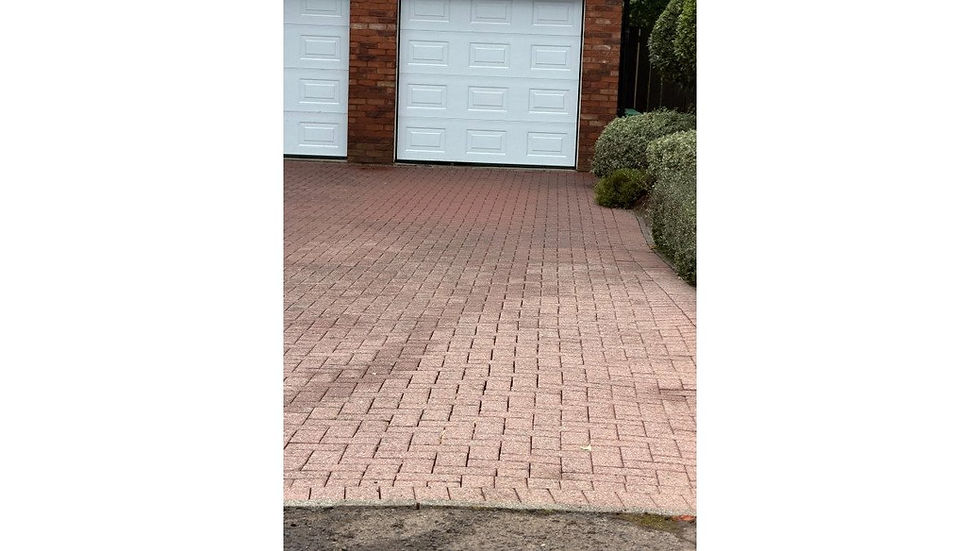
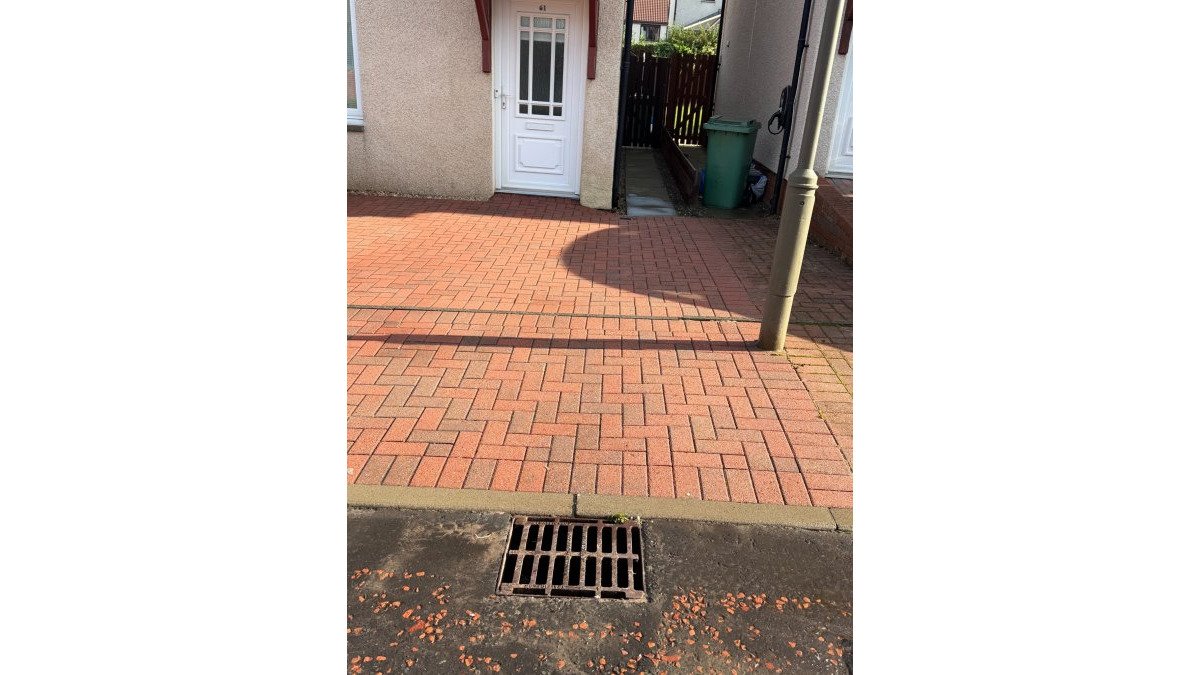
Pressure washing is the fastest way to clean block paving, but technique matters. Get it wrong and you'll blast away the sand between the blocks, leaving white streaks and loose pavers. Get it right and you'll restore your driveway to near-new condition in a few hours.

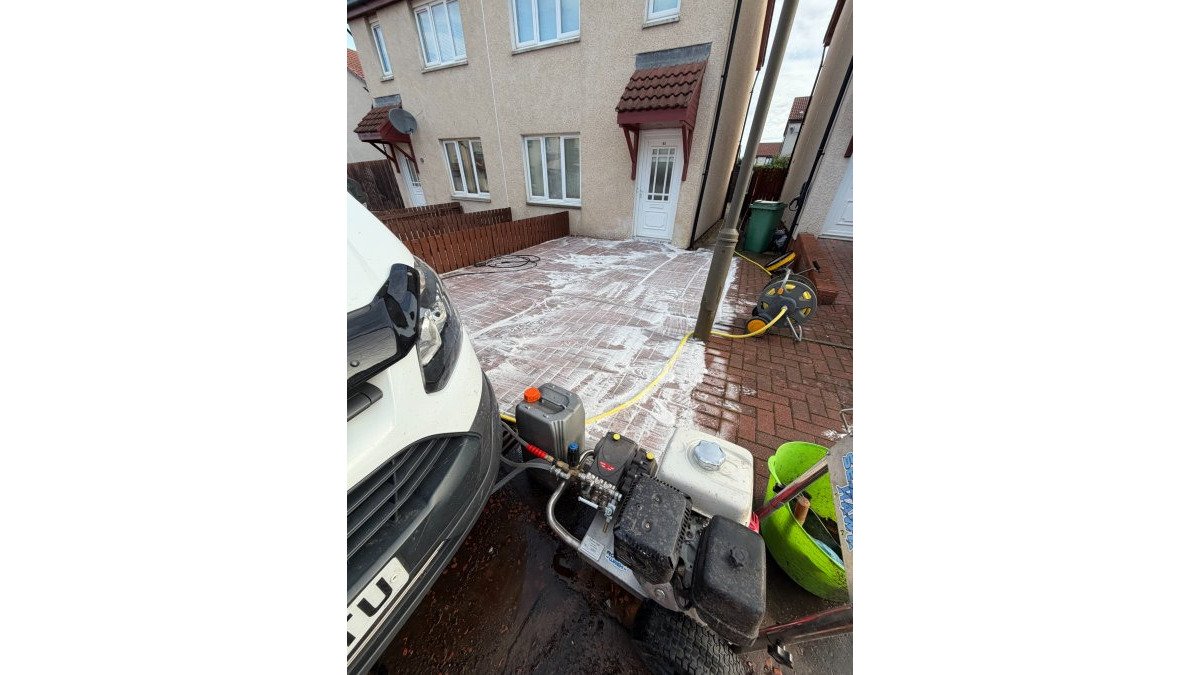
Start by sweeping the driveway thoroughly to remove loose dirt and debris. Pre-wet the surface with your garden hose to loosen stubborn algae and give the paving a chance to absorb water evenly. This prevents the pressure washer from creating dry patches that are harder to clean.
Pressure Washer Settings and Safety
The key to cleaning block paving without damage is controlling the pressure and angle. Most consumer-grade pressure washers deliver 100-150 bar, which is suitable for block paving (peer-reviewed research). Anything above 200 bar risks lifting sand from the joints and chipping the edges of the blocks (peer-reviewed research).
Hold the nozzle 30-45 centimetres from the surface and work at an angle rather than straight on (peer-reviewed research). A 45-degree angle distributes the force more evenly and is less likely to gouge the paving. Never hold the nozzle in one spot, keep it moving in smooth, overlapping strokes.
Wear safety goggles throughout. The pressure washer will kick up debris, and even small stones can cause eye damage. If you're using a chemical cleaner, wear gloves and follow the manufacturer's safety instructions. Some cleaners require ventilation or can damage nearby plants, so read the label carefully.
Watch Out Pointing the pressure washer directly downward between the blocks is a common mistake that results in sand loss and unstable paving. Always work at an angle, and never use the nozzle to deliberately clean out the joints.
Technique for Even Results
Work in overlapping rows, moving the nozzle side to side as you walk backwards. This prevents striping and ensures even coverage. Go slowly, rushing leads to missed patches and uneven cleaning.
Pay attention to areas where algae and lichen cluster: shaded corners, the edges of the driveway where water pools, and anywhere moss has a foothold. These spots may need two passes or a slightly closer nozzle distance, but don't compensate by increasing pressure. Instead, move more slowly.
After pressure washing the entire driveway, rinse it thoroughly with clean water from your hose. This removes any cleaning solution residue and helps the paving dry evenly. Allow the driveway to dry completely before moving to the next step, typically 24 hours in dry conditions.
Removing Stubborn Algae and Black Spots
Some algae and lichen won't budge with water alone. Black spots that have been there for years are particularly stubborn. This is where a specialist block paving cleaner makes a real difference.
Apply the cleaner according to the product instructions, most require you to spray it on and let it soak for 15-30 minutes. During this time, the chemical breaks down the algae's grip on the stone. Then use your pressure washer with the same technique as before: 30-45 centimetres distance, angled approach, steady movement.
For really stubborn spots, a stiff-bristled brush combined with the cleaner works better than pressure alone. Scrub vigorously in circular motions, then rinse thoroughly. The combination of chemical action and mechanical scrubbing shifts deposits that neither method alone would tackle.
After removing stubborn algae, rinse the entire driveway again to ensure no cleaner residue remains. Residue can leave a slippery surface or attract dirt more quickly.
Block Paving Sand Replacement After Cleaning
Pressure washing inevitably displaces some sand from between the blocks. Once the driveway is completely dry, you'll see gaps where sand has been washed away. Replacing this sand is crucial, it prevents weeds from taking root and keeps the blocks stable.
Sweep the driveway thoroughly to clear any remaining debris. Then pour polymeric sand along the joints, using a stiff broom to sweep it into the gaps. Work in small sections so the sand doesn't dry out before you've pushed it deep into the joints. The polymeric coating in the sand hardens when it gets wet, locking everything in place.
Water the sand lightly to activate it. Don't soak it, just enough to dampen it. Allow 24-48 hours for it to fully cure before allowing heavy foot traffic or parking on the driveway.
Some homeowners prefer kiln-dried sand for its durability, though it requires resealing more frequently. Standard polymeric sand typically lasts 2-3 years before needing replacement, depending on weather and use.
Key Takeaway The sand between your blocks does more than fill gaps, it's what keeps your paving stable and prevents weeds. Replacing it after cleaning is not optional if you want your driveway to stay in good condition.
How to Remove Weeds from Block Paving
Weeds in block paving are a persistent problem in East Lothian's damp climate. They start in the gaps between blocks where sand has been displaced, and once established, they're harder to remove than they are to prevent.
For young weeds, pull them by hand while the soil is damp, they come out more easily. For established weeds with deep roots, a specialist weed killer designed for driveways is more effective. Apply it directly to the weed, not the surrounding paving, and follow the product instructions for timing.
After removing weeds, resand the gaps where they were growing. This prevents new weeds from establishing in the same spots. If weeds keep returning to specific areas, it usually means water is pooling there, consider whether the driveway's drainage could be improved.
Professional Driveway Cleaning Haddington Cost and When to Call In Help
DIY pressure washing works for routine maintenance, but there are situations where professional help makes sense. If your driveway has been neglected for years, the algae buildup is severe, or the paving is older and potentially fragile, a professional service reduces the risk of damage.
Professional teams have commercial-grade equipment and experience reading different types of stone. They know how to adjust pressure and technique for your specific paving type, and they handle the physical labour without strain. For properties in Haddington and across East Lothian, Drive Revive Haddington specializes in deep cleaning block paving and can tackle jobs that consumer equipment struggles with.
The decision to hire professionals often comes down to time, physical ability, and the condition of your driveway. If you're selling your home and want to maximize curb appeal, or if your driveway is genuinely grimy, professional cleaning delivers a transformation that DIY often can't match.
Best For Homeowners who want guaranteed results without the physical effort, properties being prepared for sale, and driveways with years of algae buildup that consumer equipment won't shift.
Preventing Future Moss and Weed Growth
The best approach to maintaining clean block paving is preventing regrowth in the first place. Once you've cleaned your driveway, a few simple steps keep it that way for months.

Ensure your driveway drains properly. Water pooling on the surface creates the damp conditions algae loves. If water sits after rain, consider whether the driveway's slope needs adjustment or whether the joints are blocked.
Apply a moss and algae preventative treatment after cleaning. These products inhibit growth for several months, significantly slowing regrowth. They're particularly effective in shaded areas where algae thrives.
Keep the driveway dry when possible. Regular sweeping removes moisture and debris that algae feeds on. In autumn, clear fallen leaves promptly, they trap moisture and create ideal conditions for moss.
Resand the joints every 2-3 years. As sand compacts and washes away, it creates gaps where weeds establish. Fresh sand keeps these gaps filled and inhospitable to plant growth.
Common Mistakes to Avoid When Cleaning Block Paving
Most damage to block paving during cleaning comes from one of a handful of preventable mistakes.
Using pressure that's too high is the most common error. Anything above 200 bar will damage block paving. If you're renting a pressure washer, ask the hire company what pressure it delivers and choose accordingly.
Holding the nozzle perpendicular to the surface, directly over the joints, blasts sand out from between the blocks and can crack the pavers themselves. Always work at an angle.
Starting without testing on an inconspicuous area means you might discover your technique is wrong only after damaging a visible section. Test first, adjust, then proceed.
Cleaning in freezing conditions or allowing the paving to freeze while wet can cause the stone to crack as ice expands within the pores. Clean in mild, dry weather when the driveway can dry properly afterwards.
Neglecting to resand after cleaning leaves gaps that invite weeds and destabilize the paving. This is the step many DIYers skip, then wonder why weeds return within weeks.
Using the wrong cleaning product for algae or lichen means you'll need to repeat the job. Read product labels and choose a cleaner specifically designed for the type of growth you're dealing with.
Cleaning block paving properly restores your driveway's appearance and extends its lifespan, but it's a job that demands the right technique. If you'd rather avoid the physical work or your driveway's condition is beyond consumer equipment, Drive Revive Haddington offers professional pressure washing services across East Lothian. Our team has the commercial-grade equipment and expertise to handle even heavily soiled block paving safely, removing stubborn algae and dirt without the risk of damage. Request a free estimate to see how we can restore your driveway.
Frequently Asked Questions
What's the best way to clean block paving without a pressure washer?
Use a stiff-bristled brush with a garden hose and water, or apply a chemical cleaner designed for block paving and let it sit for 15-20 minutes before scrubbing. For stubborn algae, a mixture of water and white vinegar can help, though results take longer than pressure washing. A deck brush or broom combined with hot water and mild detergent works for light dirt and dust.
Should I re-sand my block paving after cleaning?
Yes, in most cases. Pressure washing can displace the sand between joints, which helps lock the blocks in place and prevents weeds. After the paving has dried completely (usually 24-48 hours), sweep new polymeric sand or kiln-dried sand into the joints. This restores stability and reduces weed growth. Check your original installation to match the sand type.
Can I use bleach to clean my block paving?
Bleach can remove algae and black spots, but use it carefully and always dilute it (typically 1 part bleach to 10 parts water). Apply it, let it sit for 10-15 minutes, then rinse thoroughly with clean water. Avoid using bleach on coloured block paving as it may fade the colour. Always wear protective gloves and eyewear, and ensure good ventilation.
How often should block paving be professionally cleaned?
In Scotland's damp climate, professional cleaning every 2-3 years helps prevent algae and lichen buildup. Factors like shade, moisture exposure, and foot traffic affect frequency, heavily shaded areas accumulate algae faster. Annual pressure washing of high-traffic areas keeps them looking fresh longer. Regular maintenance between professional cleans, such as brushing and treating weeds, extends the time between deep cleans.
Request a Free Estimate
This article was written using GrandRanker
Comments