


How to Remove Algae From Your Driveway

Table of Contents
Why Algae Grows on Driveways
How to Remove Algae From Your Driveway: Manual Methods
How to Clean Block Paving Without Removing Sand
Preventing Moss and Algae on Driveways
When to Call a Professional for Driveway Cleaning
Professional Driveway Cleaning in Your Area
Frequently Asked Questions
Last Updated: September 22, 2026
Why Algae Grows on Driveways
To remove algae driveway problems, you first need to understand why algae thrives on damp, shaded surfaces. Your driveway provides the perfect environment. It stays wet after rain, collects moisture from nearby plants, and rarely gets direct sunlight if trees or buildings cast shadows.
The problem gets worse in areas like Haddington where the climate stays cool and damp for much of the year. Algae spores are everywhere. They land on your driveway and settle in. Once they take hold, they spread quickly across block paving and concrete.
Moss and lichen join the party too. These organisms feed on the same moist conditions. Together, they create that slippery, discoloured surface that makes your driveway look neglected.
The longer you leave it, the harder it becomes to remove algae driveway buildup. Algae embeds itself into the pores of your paving. It stains the surface and can damage the sand between blocks if you're not careful when cleaning.
Pro Tip Early action saves effort. Address algae within the first few months of spotting it. The longer it sits, the deeper it penetrates and the more aggressive your cleaning method needs to be.
How to Remove Algae From Your Driveway: Manual Methods
You can tackle algae yourself with the right approach and patience. Manual cleaning works best for light to moderate growth. For stubborn, long-established algae, you may need professional help.

Scrubbing with a stiff brush is the gentlest starting point. Use a deck brush or outdoor scrubbing brush with firm bristles. Work in circular motions to break up the algae layer. Wet the driveway first, then scrub thoroughly. Rinse with clean water. This method takes time but won't damage your paving.
Pressure washers deliver faster results but carry risk. Set the pressure to 1500 PSI or lower if you're using a domestic machine. Hold the nozzle at least 30 centimetres from the surface. Never aim directly at the gaps between blocks. High pressure blasts out the sand that holds your paving together, leaving white streaks and loose stones.
Bleach solutions kill algae effectively. Mix one part bleach to ten parts water. Apply with a watering can or spray bottle. Let it sit for 15-20 minutes, then scrub gently and rinse well. Bleach is harsh on plants nearby, so protect your garden borders before using it.
Vinegar offers a gentler alternative. Undiluted white vinegar works on lighter algae growth. Spray it on, wait 20 minutes, then scrub and rinse. It's safer around plants but less powerful than bleach.
Watch Out Never mix bleach with other cleaning products. Combining bleach with ammonia or acid-based cleaners creates toxic fumes. Stick to one cleaner at a time and rinse thoroughly between applications.
The key mistake homeowners make is choosing pressure first. Start with scrubbing. Move to mild chemical solutions. Only use a pressure washer if nothing else works, and keep the pressure low.
How to Clean Block Paving Without Removing Sand
Block paving needs special care. The sand between the blocks is essential. It locks the stones in place and keeps them stable. Blast out that sand and your driveway becomes uneven and unstable.
Low-pressure rinsing is the safest approach. Use a garden hose on a gentle spray setting. This removes loose algae without harming the sand. It takes longer than pressure washing but preserves your paving.
Soft-bristled brushes work well on block paving. They clean the stone surface without damaging the joints. Combine brushing with your hose spray for steady progress. Focus on one section at a time.
Proprietary block paving cleaners are designed for this purpose. These products break down algae without the force of pressure washers. Follow the manufacturer's instructions. Most require you to apply, wait, then rinse gently.
The common mistake is assuming all pressure washers are the same. Domestic machines often run at 2000+ PSI, which is too high for block paving. If you do use a pressure washer, hire a professional with equipment that delivers lower pressure and wider spray patterns. They know how to angle the nozzle to avoid sand removal.
Method | Pressure Level | Risk to Sand | Time Required | Best For |
Soft brush | None | None | 1-2 hours | Light algae |
Garden hose spray | Very low | None | 1-2 hours | Maintenance |
Proprietary cleaner | None | None | 30 minutes + drying | Moderate growth |
Professional pressure wash | 1000-1500 PSI | Minimal | 30-45 minutes | Heavy buildup |
Preventing Moss and Algae on Driveways
Prevention is easier than removal. Stop algae from taking hold in the first place and you'll spend less time cleaning.
Improve drainage around your driveway. Water that sits creates ideal conditions for algae. Make sure your driveway slopes slightly so water runs off. Clear gutters and downpipes so they don't dump water onto your paving. If water pools in certain spots, consider adding a drain or adjusting the surface.
Trim trees and shrubs that shade your driveway. More sunlight kills algae. It also helps your driveway dry faster after rain. You don't need to remove trees entirely, just thin them enough to let light through.
Regular cleaning stops algae before it spreads. A quick brush-down every few months keeps growth minimal. Pressure wash once a year if your driveway gets heavy shade. This is far easier than tackling thick algae buildup.
Algae-inhibiting treatments are available for block paving. These products create a protective coating that slows algae growth. They work best as a preventative after professional cleaning. Reapply every 12-18 months for ongoing protection.
Moss and algae on driveways thrive in neglect. A driveway you maintain regularly stays cleaner. One you ignore becomes a problem that takes serious effort to fix.
Key Takeaway The best approach to preventing moss and algae on driveways is consistent maintenance combined with better drainage and sunlight. Small efforts regularly beat big efforts rarely.
When to Call a Professional for Driveway Cleaning
DIY cleaning works for light to moderate algae. Professional help becomes worthwhile when:
Algae covers more than half your driveway
You've tried cleaning and the algae returned within weeks
Your block paving has white streaks from previous pressure washing
You're concerned about damaging your paving
You're selling your home and need impressive curb appeal quickly
Professionals have equipment and expertise you don't. They use pressure at the right level for your paving type. They know how to remove stubborn algae without harming sand or stone. They finish faster and deliver consistent results.
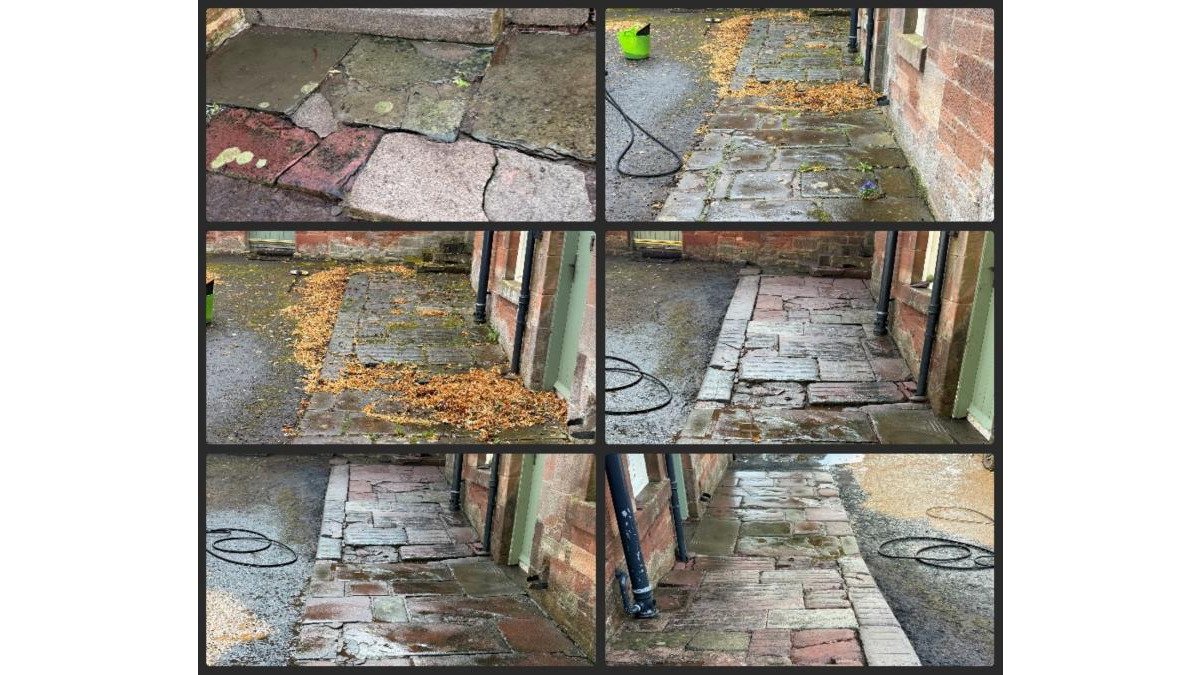
Cost varies based on driveway size and algae severity. Request quotes from multiple providers to compare. Ask for before-and-after photos of similar work they've done locally.
A professional clean also gives you a fresh start for prevention. Once the driveway is spotless, maintaining it becomes much easier.
Professional Driveway Cleaning in Your Area
If you live in Haddington or elsewhere in East Lothian, professional pressure washing transforms your driveway. Drive Revive Haddington specializes in removing algae and dirt from block paving, concrete, and patios.
The team uses equipment calibrated for your paving type. Their approach removes stubborn algae while protecting your driveway's structure and appearance.
Drive Revive Haddington has worked with homeowners across East Lothian preparing for home sales, restoring neglected driveways, and maintaining properties they take pride in. They focus on results that last. After professional cleaning, maintaining your driveway becomes straightforward.
Request a free estimate to see what professional cleaning costs for your specific driveway. The team can assess the algae severity and recommend the best approach. Whether you need a one-time deep clean or ongoing maintenance, they deliver results tailored to your needs.
Frequently Asked Questions
What is the best way to kill algae on a driveway?
The best approach depends on severity. For light algae, a stiff brush with a biocide solution works well. For stubborn growth, pressure washing at lower PSI (1500-2000) prevents sand loss from block paving. Always test a small area first. Avoid bleach on block paving as it can discolour the surface; use specialist algae removers instead. Professional cleaning removes algae effectively without damaging your surface.
Does pressure washing damage block paving?
High-pressure washing can damage block paving by blasting out the sand between joints, creating white streaks and weakening the surface. Professional services use controlled pressure (typically 1500-2000 PSI) with proper technique to remove algae safely. If you use a pressure washer yourself, keep the nozzle at least 30 cm away and use a wide-angle setting. For valuable or older paving, professional cleaning is the safer choice.
How often should I clean my driveway?
In damp climates, algae and moss return within 6-12 months depending on shade and moisture. South-facing driveways in sunnier spots stay cleaner longer. Regular maintenance, annual or bi-annual cleaning, keeps growth minimal. If your driveway is heavily shaded or near trees, you may need cleaning more frequently. Preventative treatments can extend the interval between cleans.
Why does my driveway get so much green algae?
Algae thrives in damp, shaded conditions with poor drainage. Driveways near trees, guttering, or in north-facing locations accumulate moisture and debris that feed algae growth. Lack of sunlight prevents natural drying. Porous surfaces like block paving trap water, creating ideal conditions. Improving drainage, trimming overhanging branches, and regular cleaning reduce algae buildup significantly.
Algae on your driveway doesn't have to stay there. Light growth responds to scrubbing and basic cleaning. Stubborn algae requires professional treatment. Drive Revive Haddington removes algae and dirt buildup from block paving and concrete, restoring your driveway to like-new condition. The difference a professional clean makes to your home's curb appeal is immediate and striking. Get started with a free estimate and discover how much brighter your driveway can look.
Request a Free Estimate
Comments