


Pressure Washing vs Soft Washing: Which Cleans Better

Table of Contents
Pressure Washing vs Soft Washing: Quick Comparison
How Pressure Washing Works on House Exteriors
How Soft Washing Removes Algae from House Exterior
Risks of DIY Pressure Washing Driveway and Patios
Which Surfaces Need Which Method
Professional Exterior Cleaning in East Lothian
Conclusion: Choosing Between Pressure and Soft Washing
Frequently Asked Questions
Last Updated: September 21, 2026
Pressure Washing vs Soft Washing: Quick Comparison
When your driveway or patio starts looking grimy, understanding pressure washing vs soft washing helps you choose the right approach. They're fundamentally different approaches, and choosing the wrong one can damage your surfaces or leave stubborn algae untouched.
Pressure washing uses high-pressure water jets to blast away dirt, grime, and organic growth. Soft washing applies low-pressure water combined with biodegradable cleaning chemicals to kill algae and lichen at the source. One is aggressive; the other is methodical.
Here's what matters: pressure washing works brilliantly on concrete and sealed surfaces, but it can strip sand from between block paving, etch brick, and create permanent white streaks. Soft washing takes longer but won't damage delicate materials and actually prevents regrowth for months longer because it kills the spores.
Method | Pressure | Speed | Best For | Risk Level |
Pressure Washing | 1500-4000 PSI | Fast (1-2 hours) | Concrete, sealed driveways | High on porous surfaces |
Soft Washing | 150-300 PSI + chemicals | Slower (half-day) | Block paving, brick, render | Low across all materials |
We assess each driveway individually because what works for one property can ruin another. Your surface type, the age of your patio, and what's actually growing on it all determine which method delivers results without damage.
Pro Tip Block paving is particularly vulnerable to pressure washing. The sand between blocks gets blasted out, leaving gaps that fill with weeds and water. Soft washing avoids this entirely.
How Pressure Washing Works on House Exteriors
Pressure washing relies on sheer force. A pump pressurizes water to between 1500 and 4000 PSI (pounds per square inch), forcing it through a narrow nozzle. That concentrated jet strips away layers of dirt, algae, and weathered surface material in minutes.
The method is fast and effective on hard, sealed surfaces like concrete driveways, sealed pavers, and rendered walls. The pressure literally blasts contaminants away. For homeowners in East Lothian dealing with years of accumulated grime, the visible results are immediate and satisfying.
The chemistry is simple: it's just water and force. No chemicals, no waiting for biological processes to work. Point, spray, and watch the dirt disappear. This is why pressure washing became the default choice for most property owners.
But here's where it gets problematic. The same force that removes dirt also removes other things you want to keep. On porous materials like unsealed brick, block paving, or natural stone, that pressure forces water deep into the material and can cause damage that only becomes visible weeks later as efflorescence (white salt staining) or structural deterioration.
Watch Out Pressure washing block paving can permanently displace the sand between joints. Once that sand is gone, weeds take root, and the structural integrity of the paving fails. Professional repairs cost far more than the original cleaning.
How Soft Washing Removes Algae from House Exterior
Soft washing takes a completely different approach. Instead of force, it uses chemistry. A low-pressure system (typically 150-300 PSI) applies biodegradable biocide solutions designed to kill algae, lichen, and moss at the cellular level.
The chemicals do the work. Pressure is just enough to apply the solution evenly without damaging the surface. The biocide kills the spores and root structures of organic growth, not just the visible layer. This is why soft-washed surfaces stay cleaner for significantly longer.
The process requires patience. After application, the chemicals need time to work, usually 24 to 48 hours. Then a gentle rinse removes the dead growth. It's slower than pressure washing, but the results are more durable because you've eliminated the organism itself, not just scraped away its appearance.
For block paving, brick, render, and any porous surface, soft washing is the only method that won't cause damage. The low pressure means no risk of displacing sand, etching brick, or forcing water into materials where it can cause frost damage or salt migration.
According to Southeast Softwash Equipment's professional guidance, soft washing equipment is specifically designed for materials that pressure washing can harm. The integrated chemical proportioning systems ensure consistent biocide application without over-saturation.
Key Takeaway Soft washing kills the source of regrowth, not just the visible symptom. Surfaces typically stay clean for 12-18 months after treatment, compared to 3-6 months after pressure washing.
Risks of DIY Pressure Washing Driveway and Patios
This is where most homeowners get into trouble. Hiring or renting a pressure washer feels straightforward, point and spray. But the damage happens fast, and it's often permanent.
The most common mistake is using too much pressure on block paving. Homeowners don't realize that the sand between blocks is what holds everything together. A pressure washer at 3000 PSI will blast that sand out, leaving gaps that immediately fill with soil and weeds. Within months, the paving becomes unstable. Replacing the sand and resetting blocks costs hundreds of pounds.
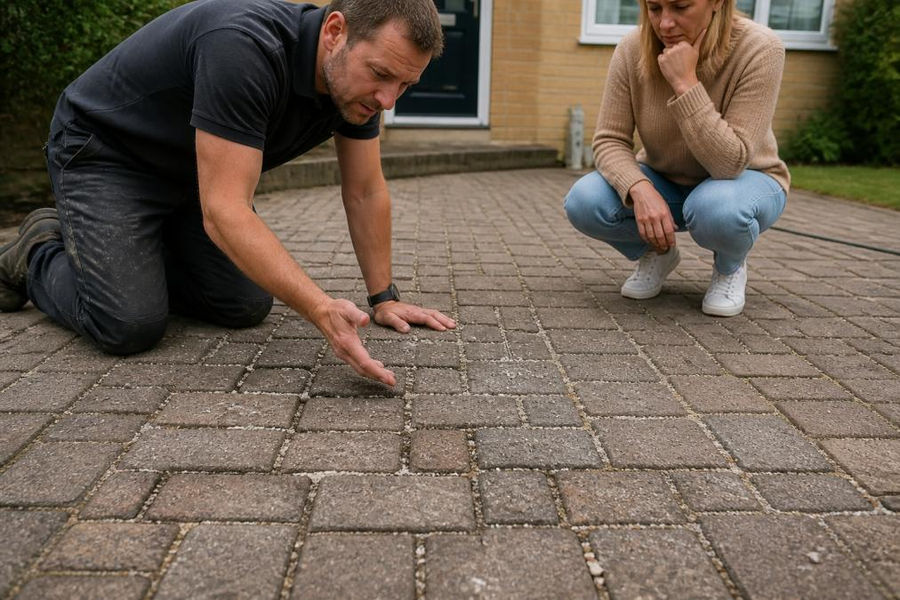
Another common problem is white streaking on brick or natural stone. Pressure washing forces water into the porous material, and as it dries, salts are drawn to the surface, leaving permanent white stains. These streaks don't wash away, they're mineral deposits now embedded in the material.
Uneven pressure is another issue. Most DIY users don't maintain consistent distance from the surface, so some areas get blasted while others barely get cleaned. This creates patchy results and uneven damage.
There's also the risk of personal injury. Pressure washers can cause serious cuts and bruises. Professional operators wear protective equipment and understand the force they're handling. A DIY user often doesn't.
Research from Pro-Kleen Exterior Cleaning Chemicals' safety guidelines emphasizes that high-pressure equipment requires proper training. Misuse causes both surface damage and operator injury.
If you're considering DIY pressure washing, start on concrete only, sealed concrete that's already weathered. Avoid block paving, brick, render, and any natural stone entirely. Even then, keep the pressure below 2000 PSI and maintain distance from the surface.
Which Surfaces Need Which Method
This is the decision point. Different materials have different vulnerabilities, and choosing the wrong method can cost you thousands in repairs.
Concrete driveways and sealed patios: Pressure washing works well here. The concrete is dense and sealed against water infiltration. High pressure removes dirt effectively without risk of damage. If your driveway is plain concrete and heavily soiled, pressure washing is the fastest solution.
Block paving and brick pavers: Soft washing only. The sand between blocks is essential to the structure. Pressure washing will displace it. Brick is porous and can absorb water forced in by high pressure, leading to frost damage and efflorescence. Soft washing cleans effectively without touching the structural elements.
Natural stone (slate, granite, sandstone): Soft washing. Natural stone is often more porous than it appears and can be damaged by high-pressure water.
Professional Exterior Cleaning in East Lothian
Best For Professional soft washing is ideal for block paving, brick, render, and any material you're uncertain about. The cost is justified by the durability of results and the complete absence of damage risk.
The process typically takes a half-day for an average driveway or patio. The property is safe to use immediately after, though it's best to avoid foot traffic for a few hours while surfaces fully dry.
Conclusion: Choosing Between Pressure and Soft Washing
The choice comes down to your surface type and your tolerance for risk. Pressure washing is fast and effective on sealed concrete. Soft washing is safer, longer-lasting, and works on everything else.
Frequently Asked Questions
Is soft washing better than pressure washing for house siding?
Soft washing is generally safer for delicate siding materials like render, weatherboard, and brick. It uses low-pressure water combined with biodegradable chemicals to kill algae and lichen without surface erosion. Pressure washing can strip paint, damage mortar joints, and leave streaks on older homes. For hardy surfaces like concrete driveways, pressure washing removes stubborn grime more quickly. The right choice depends on your exterior material and the type of soiling.
What chemicals are used in soft washing?
Professional soft washing typically uses biodegradable biocides formulated to kill organic growth like algae, moss, and lichen. These solutions are UK-compliant and designed for safe application on various exterior substrates. The chemicals work over several hours to eliminate the root cause of discolouration, rather than just blasting dirt away. Contractors follow COSHH guidelines to ensure safe handling and environmental protection. Always ask your service provider about the specific products they use and their safety protocols.
Can pressure washing damage brickwork on older homes?
Yes. High-pressure jets can erode mortar joints, dislodge bricks, and damage the protective surface layer of older masonry. Homes built before the 1970s often have softer mortar and more porous bricks that are particularly vulnerable. Pressure above 2000 PSI on aged brickwork risks structural damage and water infiltration. Soft washing is the safer choice for heritage properties. If you do use pressure washing on older brick, hire a professional experienced with period properties who can adjust pressure and nozzle distance appropriately.
How often should I have my house exterior cleaned?
Most homes benefit from professional cleaning every 2-3 years, depending on local climate and exposure. Properties in damp areas or under trees accumulate algae and moss more quickly and may need annual attention. Block paving driveways in regular use can be cleaned every 1-2 years to maintain appearance and prevent slippery surfaces. After professional cleaning, regular maintenance, like removing debris and addressing spills quickly, extends the time between deep cleans. Your local service provider can assess your specific property and recommend a schedule.
Is soft washing safe for plants and pets?
Professional soft washing uses biodegradable biocides that break down naturally and are safe once dry. However, during application, it's best to keep plants and pets away from the work area. Most contractors will ask you to secure pets indoors and protect sensitive plantings. Once the solution has dried and the area has been rinsed, the risk is minimal. Always inform your service provider about pets or plants you want to protect, and ask about their specific chemical safety measures before work begins.
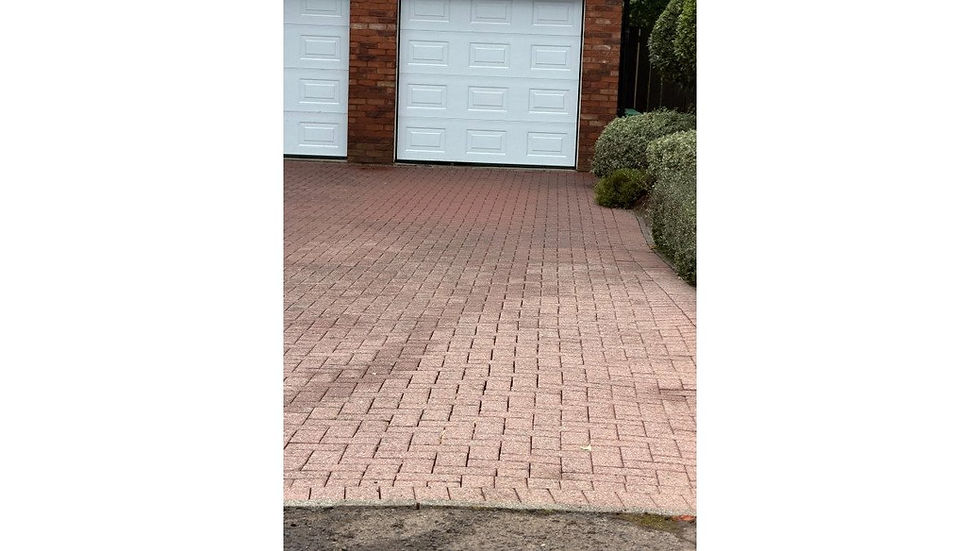
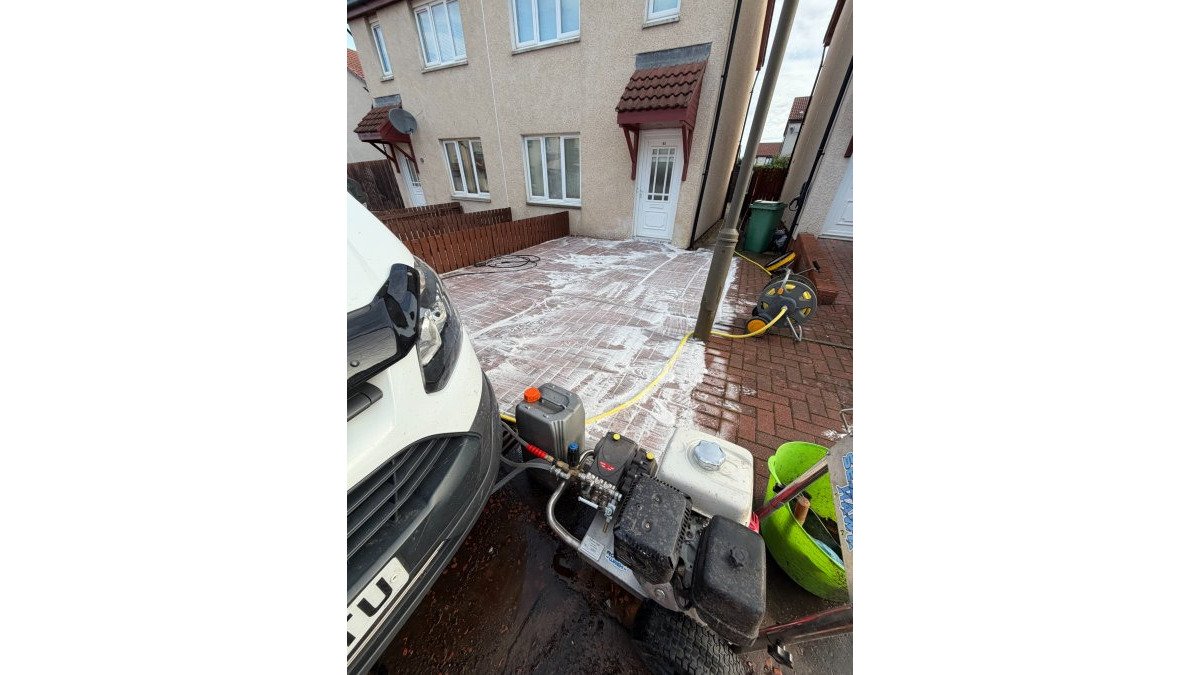
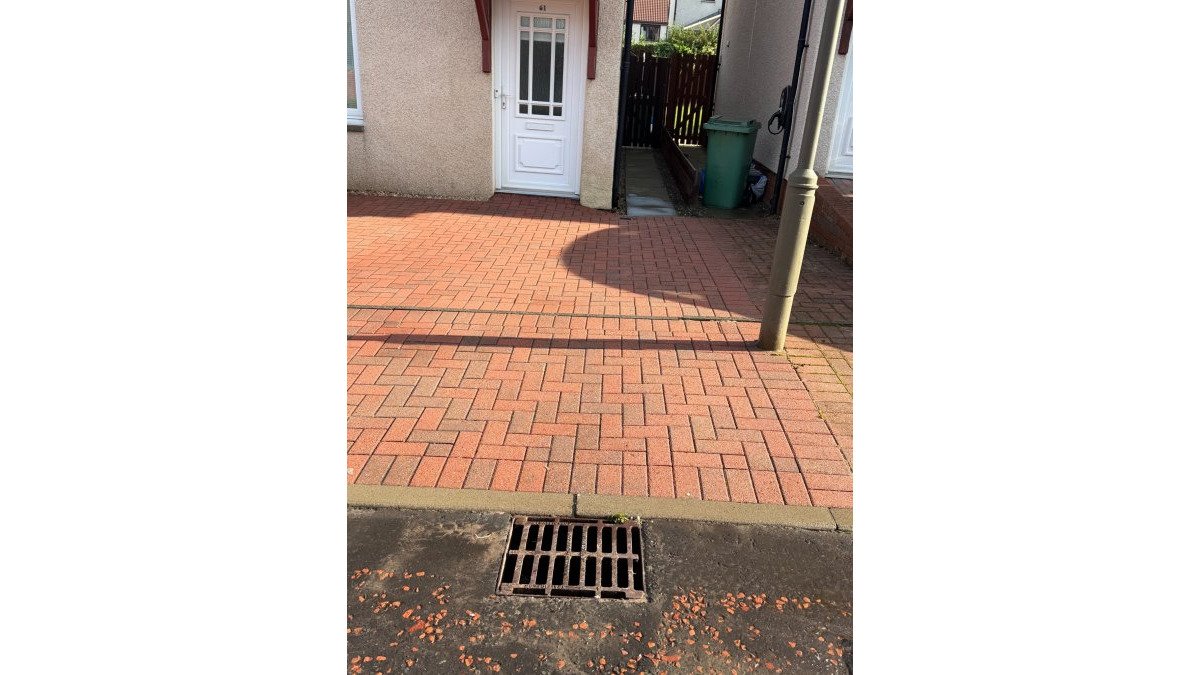
Your property's exterior is one of the first things people notice. Stubborn algae and years of grime don't just look bad, they signal that maintenance has been neglected. Drive Revive Haddington transforms driveways and patios across East Lothian using soft washing techniques that clean thoroughly without damaging block paving, brick, or render. Get a free estimate today and see how professional restoration can restore your home's curb appeal.
Request a Free Estimate
Comments