


Avoid Driveway Pressure Washing Damage: A Safe Guide

Table of Contents
How to Pressure Wash a Driveway Safely
What You'll Need Before You Start
Step-by-Step: Safe Pressure Washing
Pressure Washing Block Paving Without Damage
Best Pressure Washer Nozzle for Driveway Cleaning
Pressure Washing Driveway Mistakes to Avoid
When to Call a Professional Driveway Cleaner in East Lothian
Frequently Asked Questions
Last Updated: October 15, 2026
How to Pressure Wash a Driveway Safely
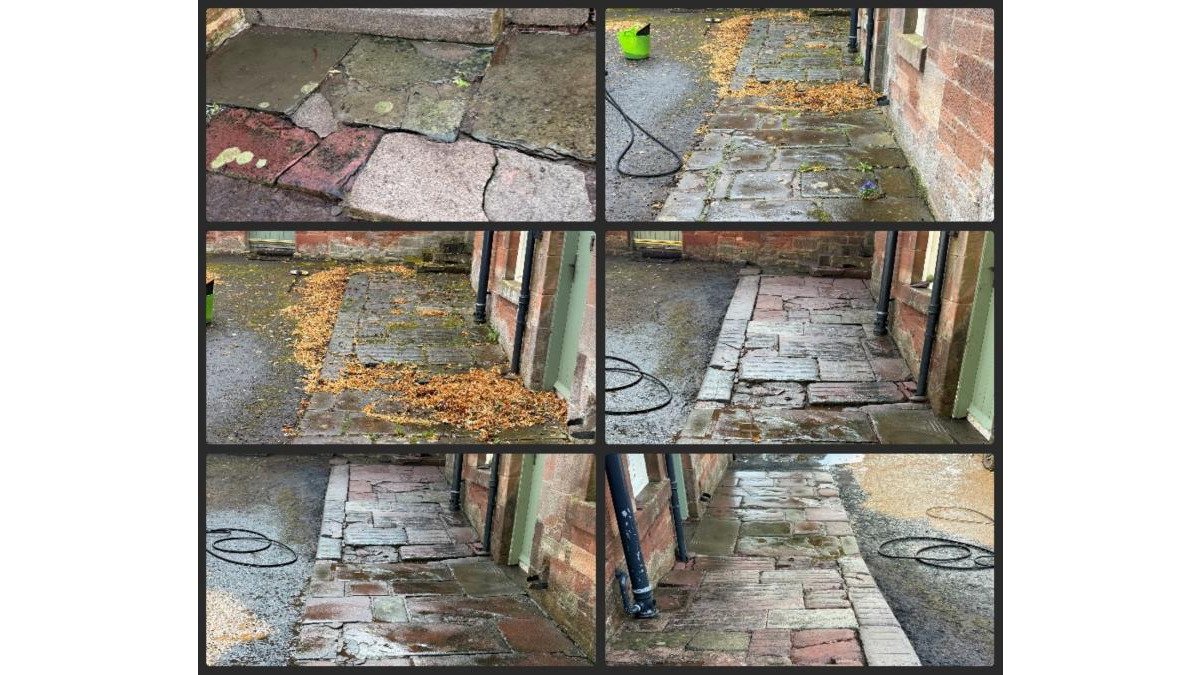
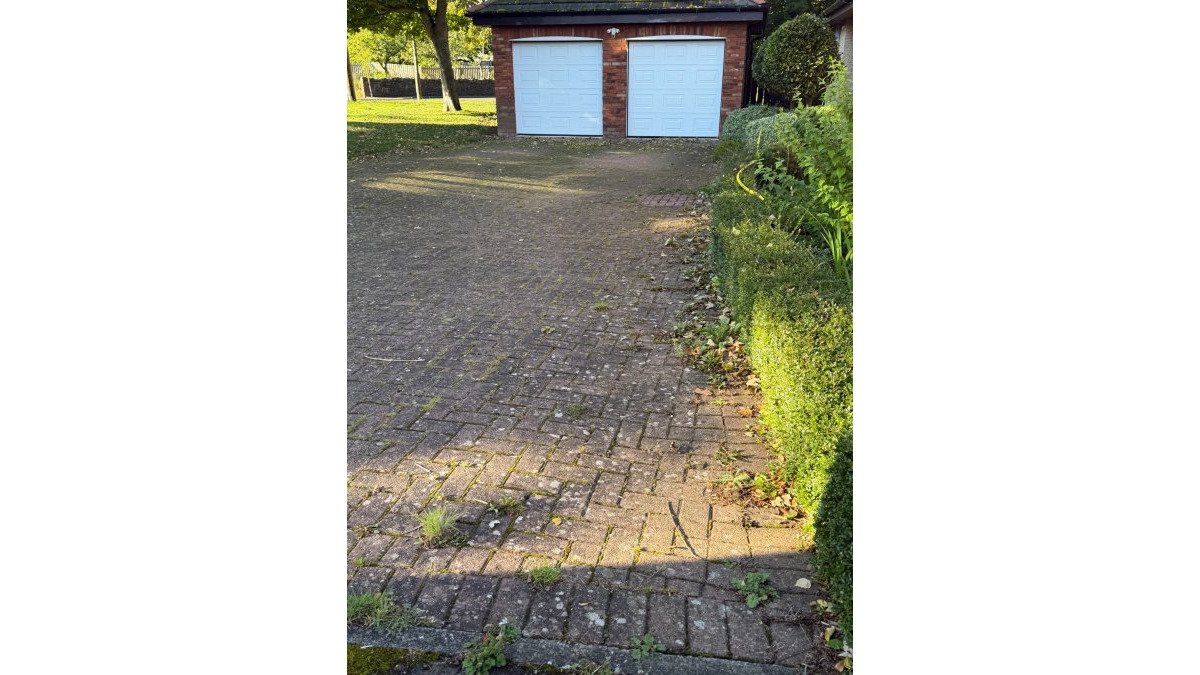
Driveway pressure washing is the practice of using a high-pressure water jet to strip algae, dirt and moss from a hard surface. Done right, it restores colour and grip in an afternoon. Done wrong, it blasts the jointing sand out of block paving and leaves white streaks behind. This guide from Drive Revive Haddington explains how to avoid driveway pressure washing damage on your own driveway in Haddington, East Lothian, and when it is safer to hand the job over.
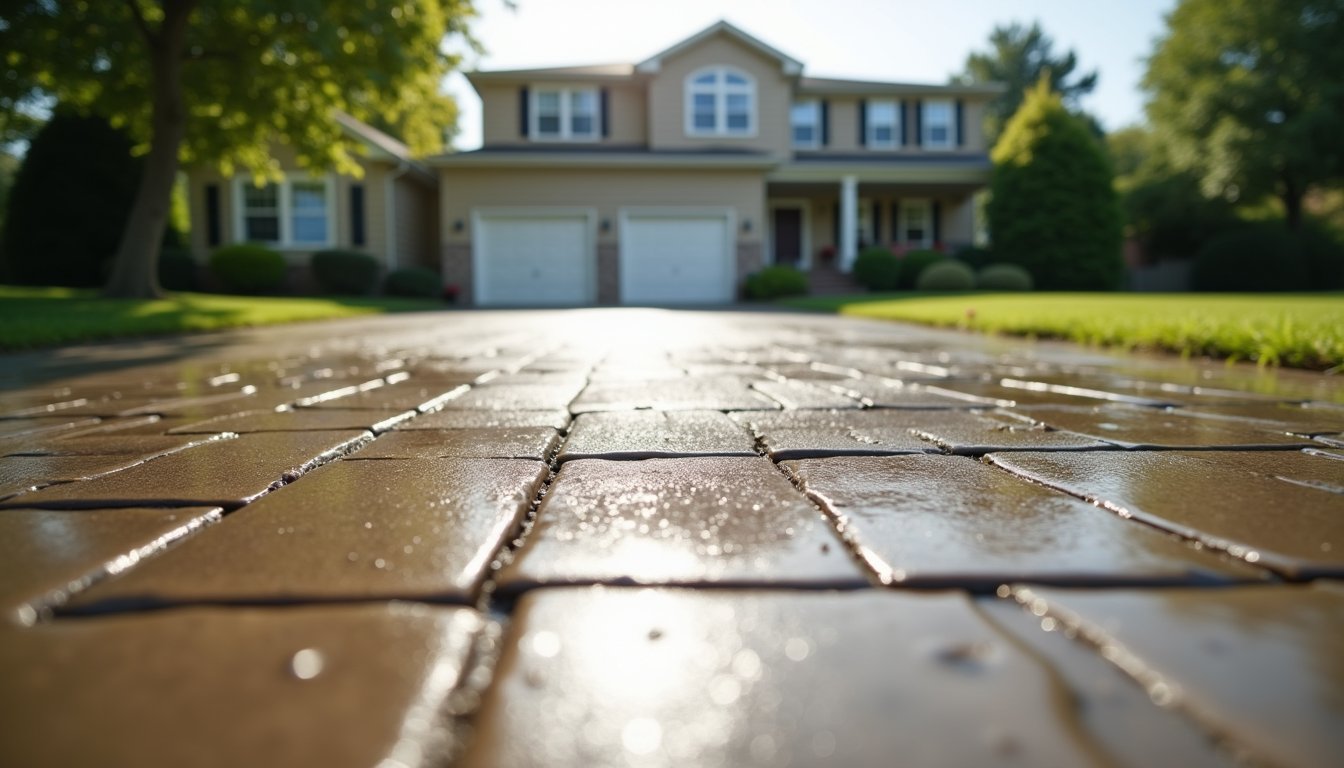
The stakes are higher than most people think. Block paving sits on a bed of sand, and the joints between the blocks hold that surface together. Strip the sand and the blocks start to shift, wobble and sink. Once that happens, no amount of cleaning brings the driveway back. You are looking at re-sanding at best, and relay at worst.
The good news: the damage is almost always avoidable. Below, we cover the kit you need, the exact steps to follow, and the mistakes that cause most of the problems we get called out to fix.
Watch Out The most common mistake is holding the lance too close to the surface. At 100mm from block paving, a domestic machine will strip jointing sand in seconds. Keep the nozzle at least 300mm away and you will avoid most damage.
What You'll Need Before You Start
Get your kit together before you touch the machine. Stopping halfway to hunt for a missing attachment is how people rush and cut corners.
A pressure washer with an adjustable pressure setting
A 25-degree (green) or 40-degree (white) nozzle
A stiff broom and a plastic scraper
A garden hose and an outdoor tap
Kiln-dried sand for re-sanding block paving
Safety glasses and sturdy footwear
A plastic sheet to protect nearby plants
Check the surface first. Loose, cracked or sunken blocks need repair before cleaning, not after. And never point a pressure washer at electrical fittings, gas meters or air bricks.
Step-by-Step: Safe Pressure Washing
Follow these steps in order. Each one takes minutes, and skipping any of them is where damage starts.
Clear the driveway of cars, bins and plant pots.
Sweep off loose leaves, grit and debris with a stiff broom.
Wet the whole surface with a garden hose to soften dirt.
Fit the correct nozzle and set the pressure to its lowest useful setting.
Work in small sections, holding the lance at a consistent 300mm distance.
Keep the spray at a 45-degree angle to the surface, never straight down.
Overlap each pass by about half the spray width.
Rinse the section, then move on.
Let the driveway dry fully.
Re-sand the joints on block paving once dry.
If you see sand lifting or blocks shifting, stop. That is your signal to lower the pressure or call in a professional.
Pressure Washing Block Paving Without Damage
Block paving needs a gentler hand than concrete or tarmac. The blocks themselves are tough, but the sand joints are not. Blast those out and the whole surface loosens.

The trick is to clean the blocks, not the joints. Use a wide fan nozzle, keep the pressure low, and work at an angle so the water lifts dirt rather than driving into the gaps. A rotary surface cleaner attachment helps here, because it spreads the force evenly and keeps a set distance from the surface.
After cleaning, you will almost always need to top up the jointing sand. Brush kiln-dried sand into the joints while the paving is dry, then sweep off the excess. This step is not optional. Skip it and the blocks will start to move within weeks.
Pro Tip Do your block paving on a dry, mild day. Wet sand will not brush into the joints properly, and you will end up redoing the job.
Best Pressure Washer Nozzle for Driveway Cleaning
The right nozzle matters more than the machine. A 25-degree nozzle is the best all-round choice for driveway cleaning, because it balances cleaning power with control. For block paving, step up to a 40-degree nozzle to spread the force further.
Here is how the common nozzles compare:
Nozzle | Spray Angle | Best For | Risk |
Red | 0 degrees | Spot stains only | Strips sand and etches surface |
Yellow | 15 degrees | Concrete and tarmac | Can mark block paving |
Green | 25 degrees | General driveway cleaning | Safe on most hard surfaces |
White | 40 degrees | Block paving and patios | Slower, but gentle |
Avoid the red nozzle on any driveway. It concentrates the full force of the machine into one point and will carve lines into block paving. For most home driveways, green does the job and white keeps block paving safe.
Pressure Washing Driveway Mistakes to Avoid
Most damage we see comes down to a handful of repeat mistakes. None of them are complicated to avoid.
Holding the lance too close to the surface
Using the red 0-degree nozzle on paving
Blasting straight down into the joints
Skipping the re-sanding step afterwards
Cleaning on a hot day, which dries the surface too fast
Pointing the jet at plants, fences or electrical fittings
Using a commercial-grade machine on a domestic driveway
The last one catches people out. Hire shops often supply powerful machines meant for concrete. On block paving, that power is a liability. Match the machine to the surface, not the other way around.
When to Call a Professional Driveway Cleaner in East Lothian
Some jobs are worth handing over. If your driveway has stubborn black lichen, heavy algae, or block paving that has already lost its sand, a professional clean will save you time and prevent further damage.
Professional driveway cleaning in East Lothian uses controlled pressure, the right nozzles and proper re-sanding as standard. That combination is what keeps block paving stable after cleaning. It also means the results last longer, so you are not back out with the machine every few months.
If you are preparing a property for sale, a professional clean makes a visible difference to kerb appeal. Buyers notice a driveway that looks cared for. For homeowners in Haddington and across East Lothian, that first impression starts at the front gate.
If you would rather not risk it, we can take a look. Drive Revive Haddington offers a free estimate, so you know what is involved before you commit.
Frequently Asked Questions
Can pressure washing damage a driveway?
Yes, if you use too much pressure or the wrong technique. Common damage includes white streaks on block paving, eroded jointing sand, cracked concrete, and stripped sealant. The risk increases on older or poorly laid surfaces. Using a fan nozzle at 25 to 40 degrees, keeping the lance at a low angle, and working in controlled passes reduces the chance of damage. If your driveway already shows cracks or loose blocks, a professional assessment is safer than attempting a DIY clean.
What pressure should I use to clean a driveway?
For block paving, stay between 100 and 150 bar. Concrete and tarmac can handle slightly more, but anything above 150 bar on block paving risks blasting out the jointing sand. Always start at the lowest effective setting and test on a small hidden area first. The best pressure washer nozzle for driveway cleaning is a 25-degree fan tip, which spreads the force across a wider area rather than concentrating it on one spot.
How do I pressure wash block paving without damaging it?
Use a 25 to 40-degree fan nozzle at 100 to 150 bar, keep the lance at a 30 to 45-degree angle, and work in slow, overlapping passes. Never hold the wand still in one place. After cleaning, you will almost certainly need to re-sand the joints because even careful pressure washing block paving without damage can shift some jointing sand. Brush kiln-dried sand into the joints once the surface is dry.
When should I hire a professional driveway cleaner in East Lothian?
Hire a professional if your driveway has stubborn black lichen, extensive algae, loose or sunken blocks, or if you have already caused damage with a DIY attempt. Drive Revive Haddington serves homeowners across East Lothian and can assess whether your surface needs a gentle rotary clean, chemical treatment, or full re-sand. A professional clean also includes re-sanding and can improve kerb appeal before a property sale.
Driveway pressure washing damage is almost always preventable, but it takes the right nozzle, the right pressure and a bit of patience. If your block paving has already lost its sand, or the lichen has been there for years, it is worth getting it looked at properly. Drive Revive Haddington specialises in block paving, brick pavers and driveways, removing algae and dirt and restoring outdoor spaces across East Lothian. Request a free estimate and get your driveway looking like new again.
Request a Free Estimate
Comments